


NINGHOW APPAREL / CUSTOM APPAREL MANUFACTURER
Custom apparel manufacturing. Built from your brief.
Connect design, materials, sampling and bulk production around a defined clothing program. Ninghow Apparel is a family-owned manufacturer operating its own factories, supporting OEM, ODM and private-label projects for brands, wholesalers, retailers and sourcing teams.
FABRIC / FIT / FINISH
OEM / DEVELOPMENT-LED
Two starting points. One approved specification.
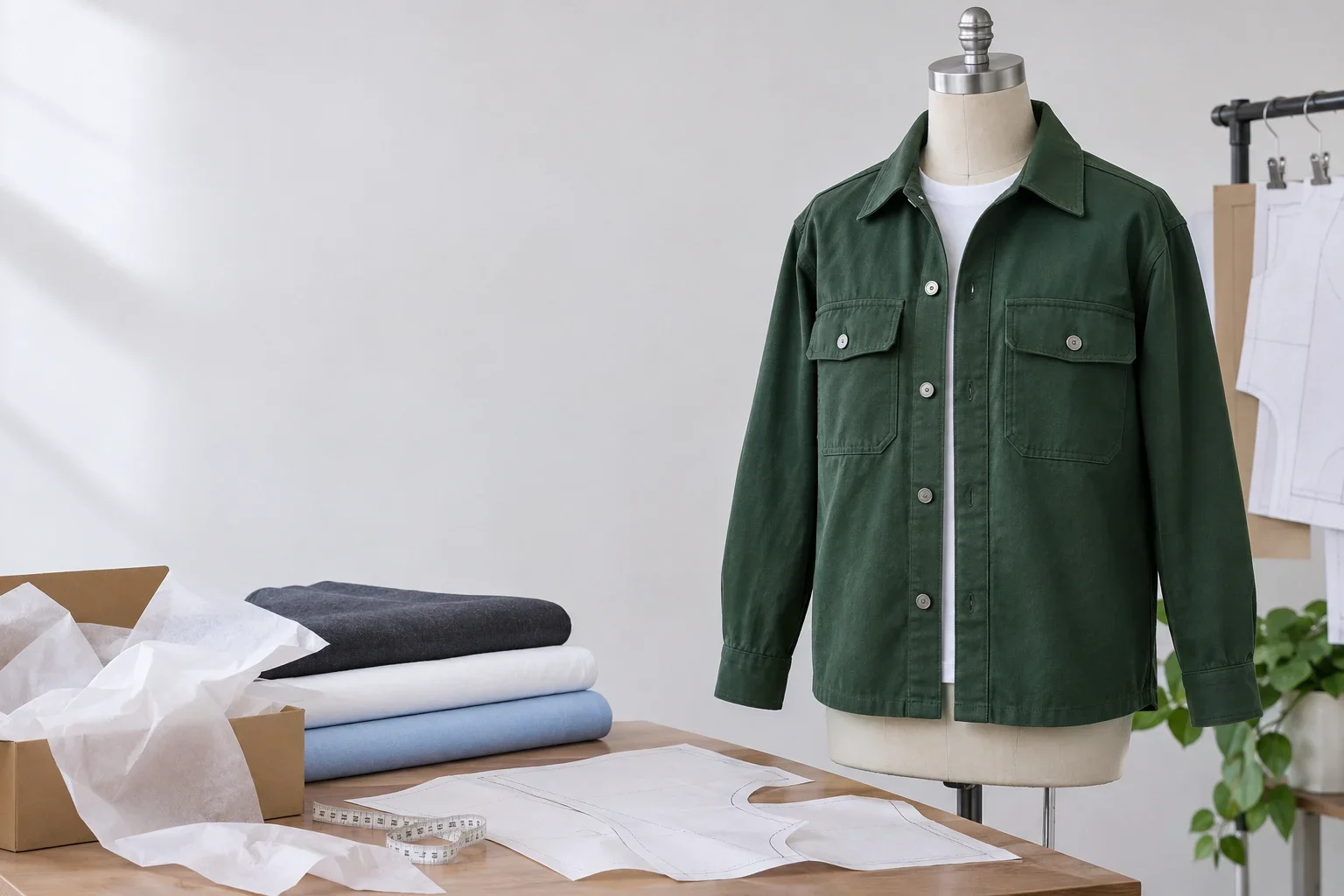
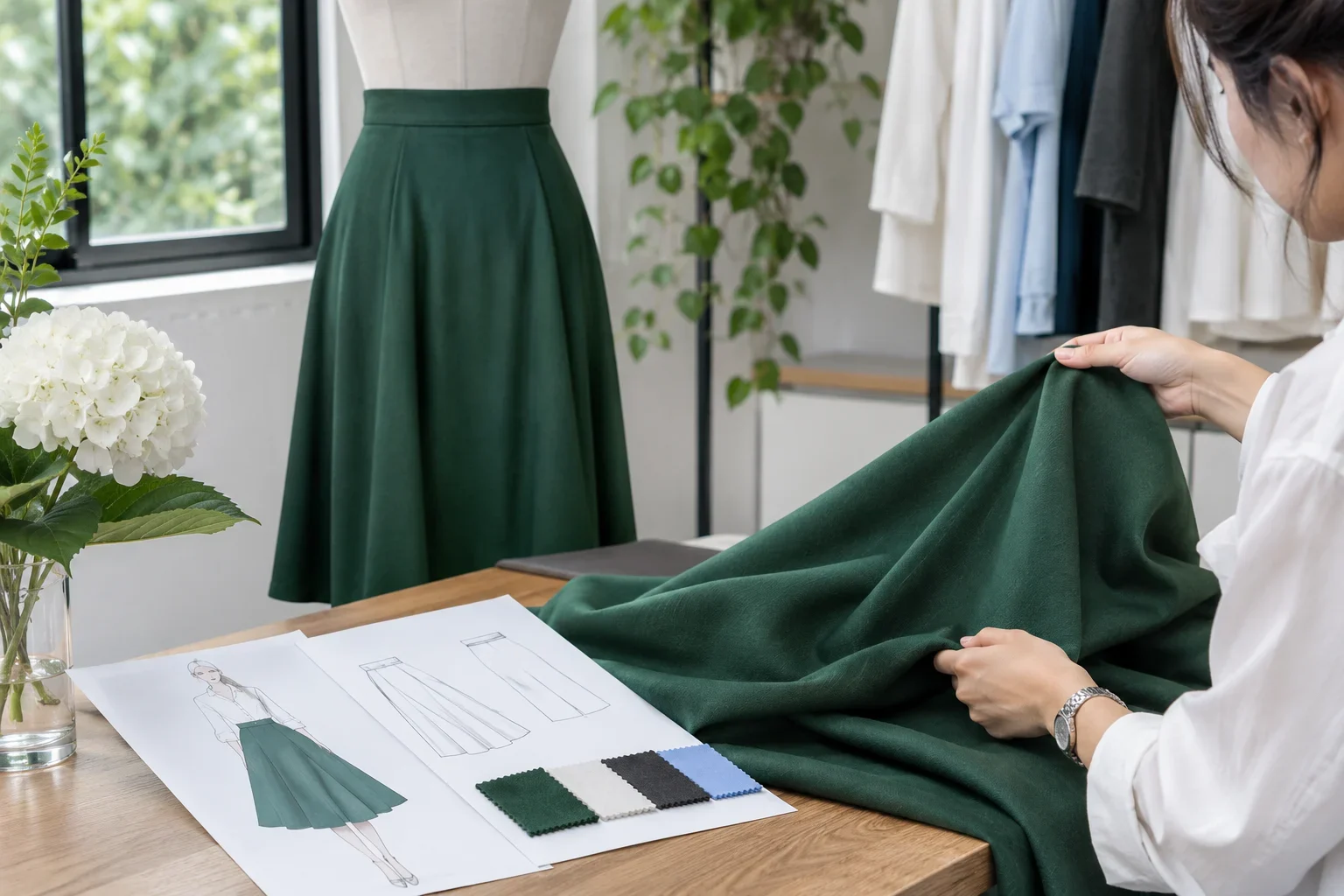
A production-ready design and an early concept need different work. Agree development stages, ownership of patterns and technical files, communication, sample charges, revision limits and approval responsibilities before starting.
01
You have a defined design
Share your tech pack or reference garment, measurements, materials and artwork. Identify any gaps before sample or production review.
02
You need development support
Start with the wearer, silhouette and references. Resolve design, pattern, fit, materials and sampling together.
PRODUCT + BUYING TASK
Choose the program you are building.
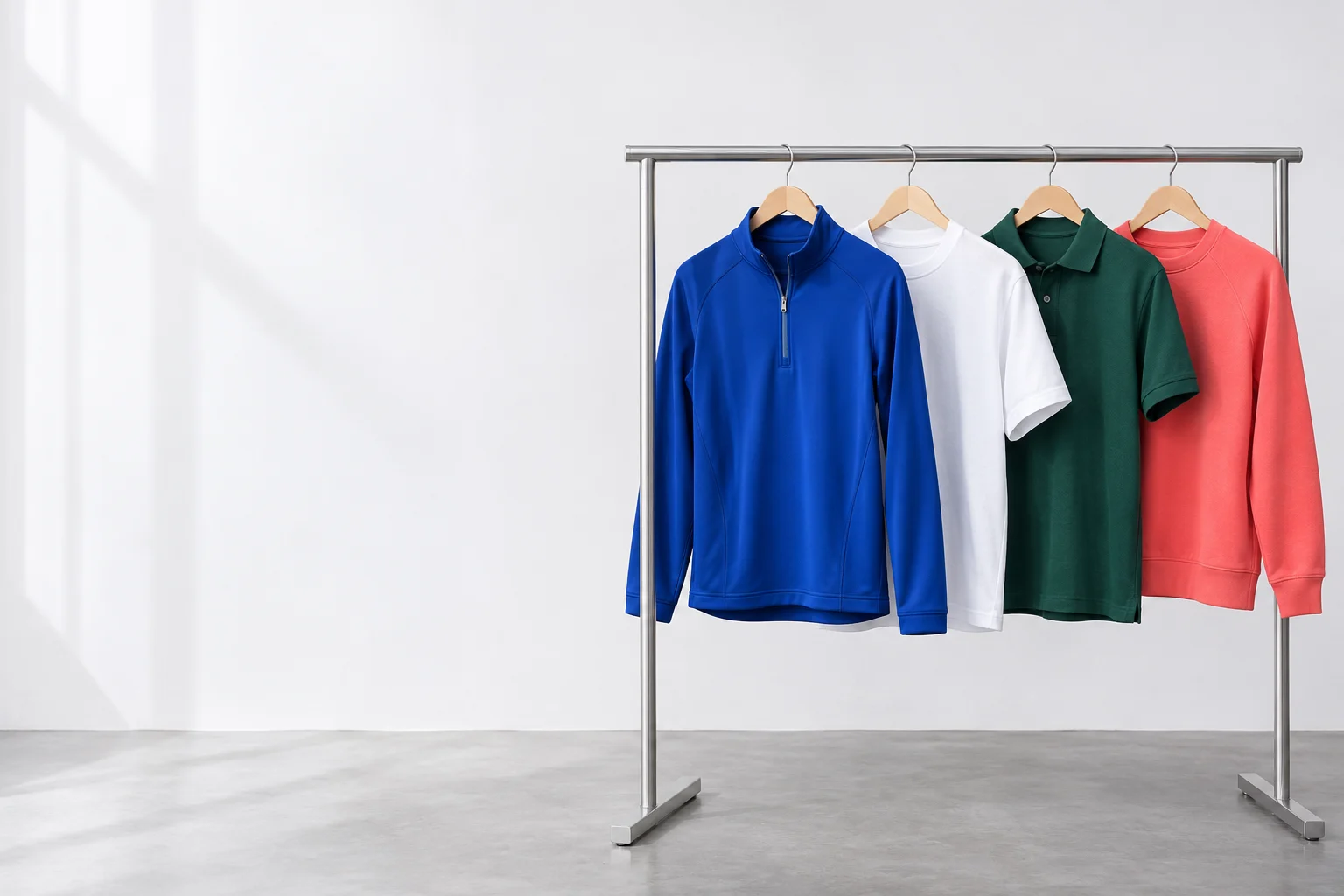
Core garments include polos, tees, hoodies, sweatshirts, pullovers, jackets, vests, trousers, shorts, tanks and base layers. Browse the product range, then confirm the proposed style, construction and seasonal material availability.
01
Core and private-label collections
Coordinate silhouette, measurements, grading, colors, artwork, labels and packing across the range.
02
Activewear and sportswear
Define movement, fit, seams, stretch and testing requirements. Moisture-management, compression and durability claims need product-level evidence.
03
Golf collections
Bring polos, bottoms and layers into a shared fit, color and branding direction.
04
Uniforms and promotional programs
Plan wearer groups, size allocation, logo positions, packing and replenishment.
MATERIAL / CONSTRUCTION / BRAND
A small detail can change the specification.
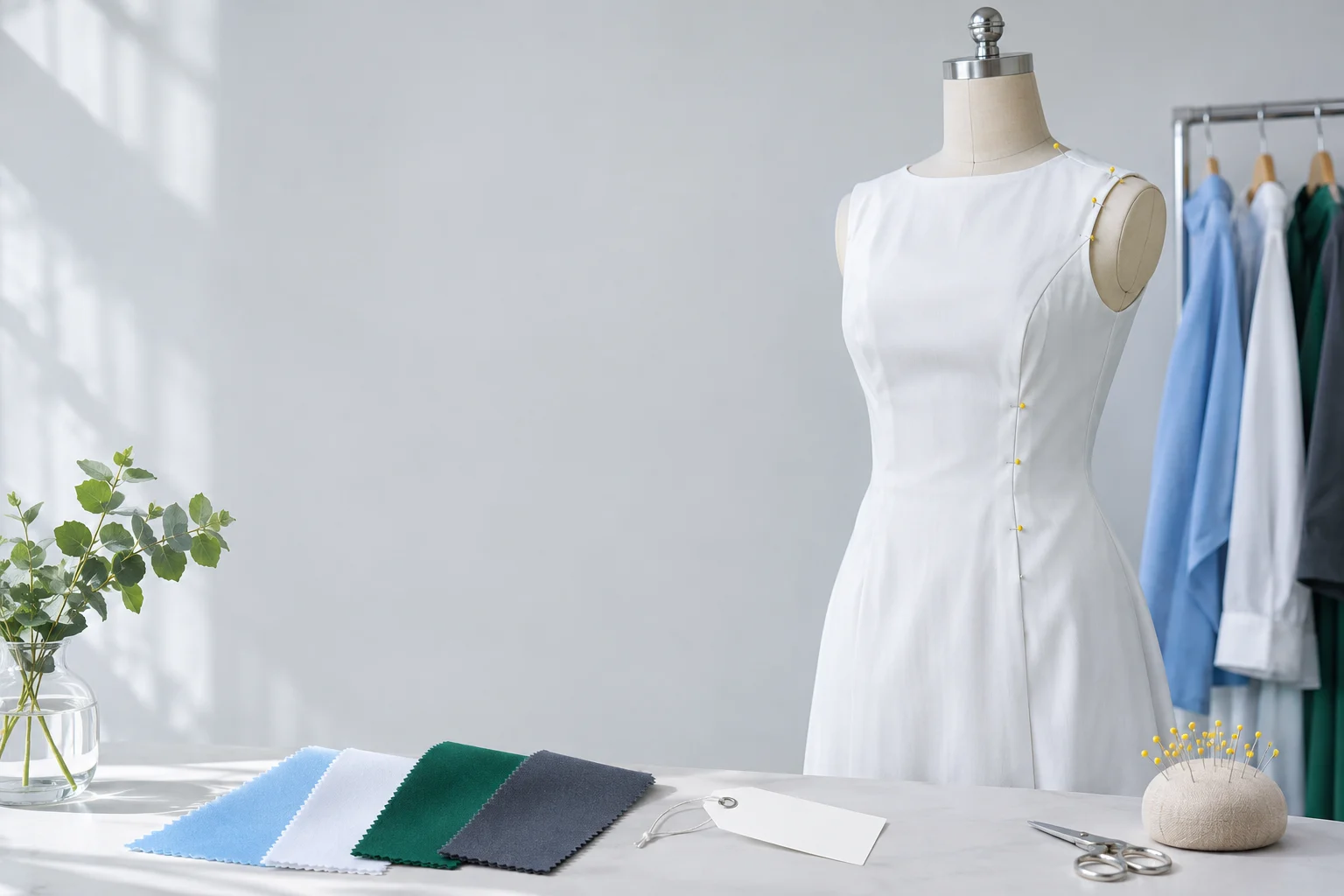
Confirm fiber composition, knitted or woven construction, weight, hand feel, color, care and required testing. Cotton, polyester, blends, fleece and performance-material directions must be reviewed for the actual garment and supply conditions.
Review screen printing, heat transfer or embroidery on the chosen surface. Confirm artwork formats, placement tolerances, labels and packing formats. Private-label branding.
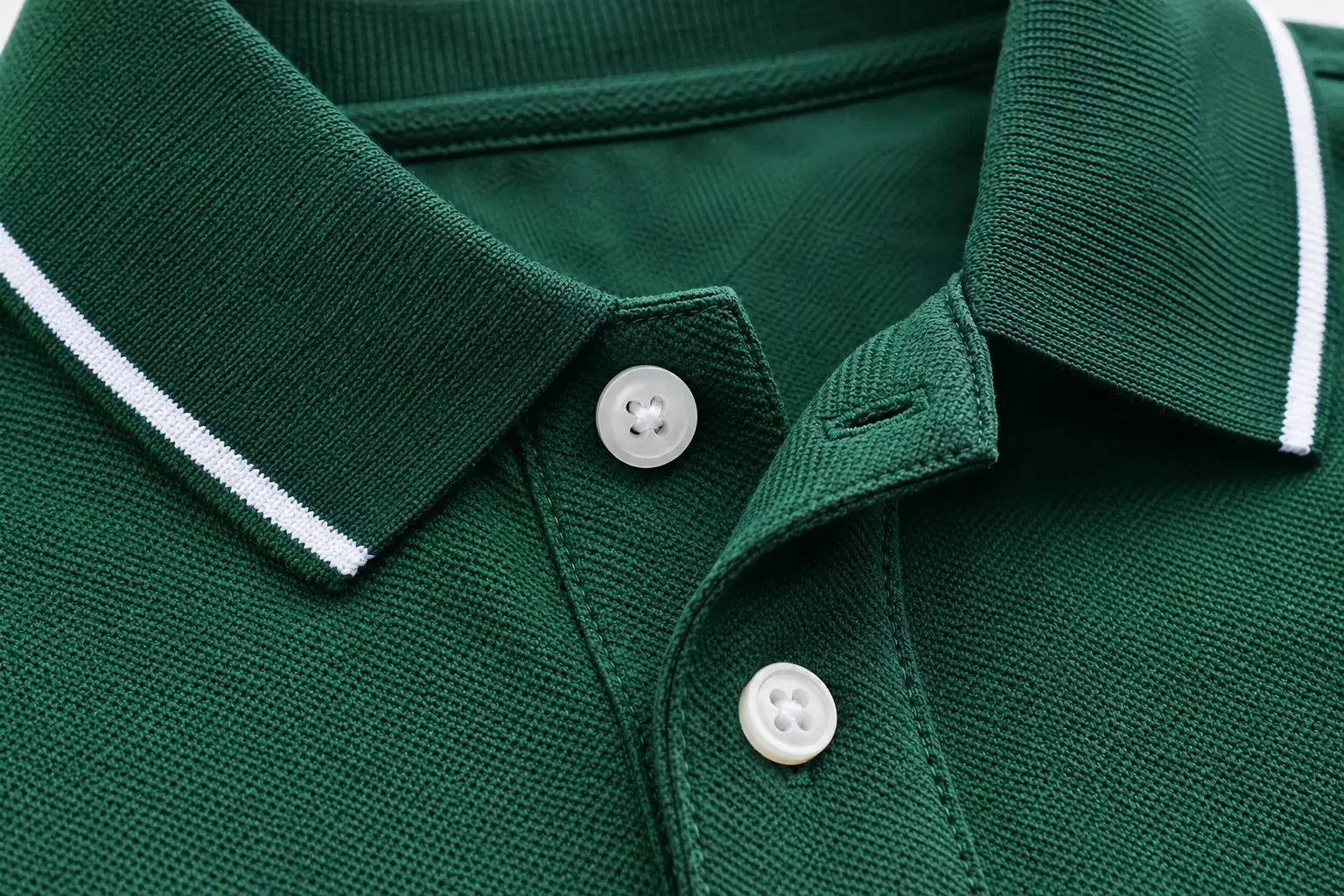
A
Collar knit
B
Placket and buttonhole
C
Button attachment
A / Collar knit
B / Placket and buttonhole
C / Button attachment
A
Collar
Define structure, dimensions and the relationship to the body fabric.
B
Placket
Record construction, dimensions and artwork clearances.
C
Button and attachment
Agree trim specification, color and attachment requirements.
DEFINE → SAMPLE → RELEASE
Resolve the garment before scaling the order.
Use dated specifications and sample comments to connect development, materials, decoration and production. Confirm each production location or partner’s responsibilities and how changes are approved.
For a stage-by-stage view, follow the apparel production process. Review materials and techniques when the construction or decoration route is still open.
01
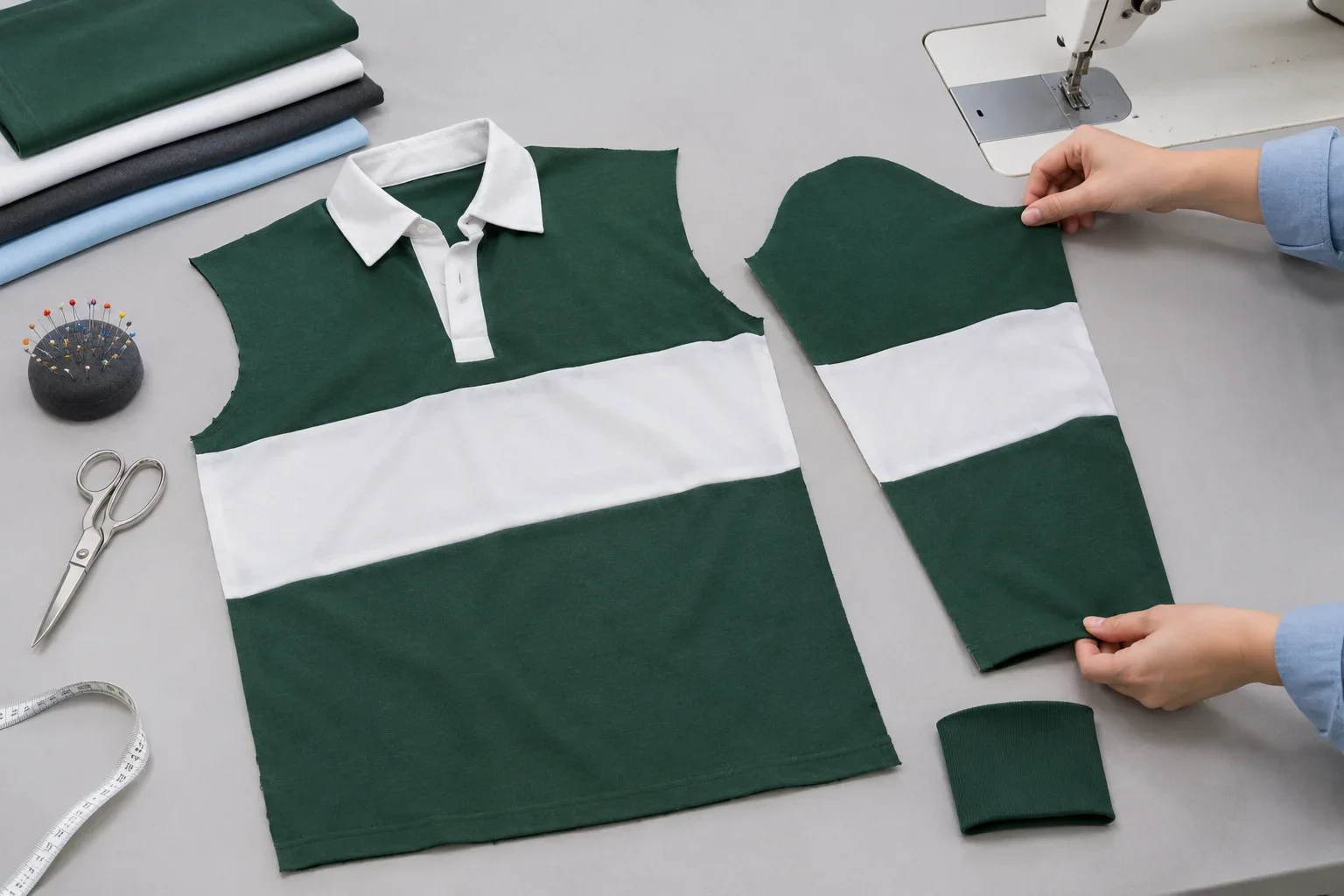
Resolve the components
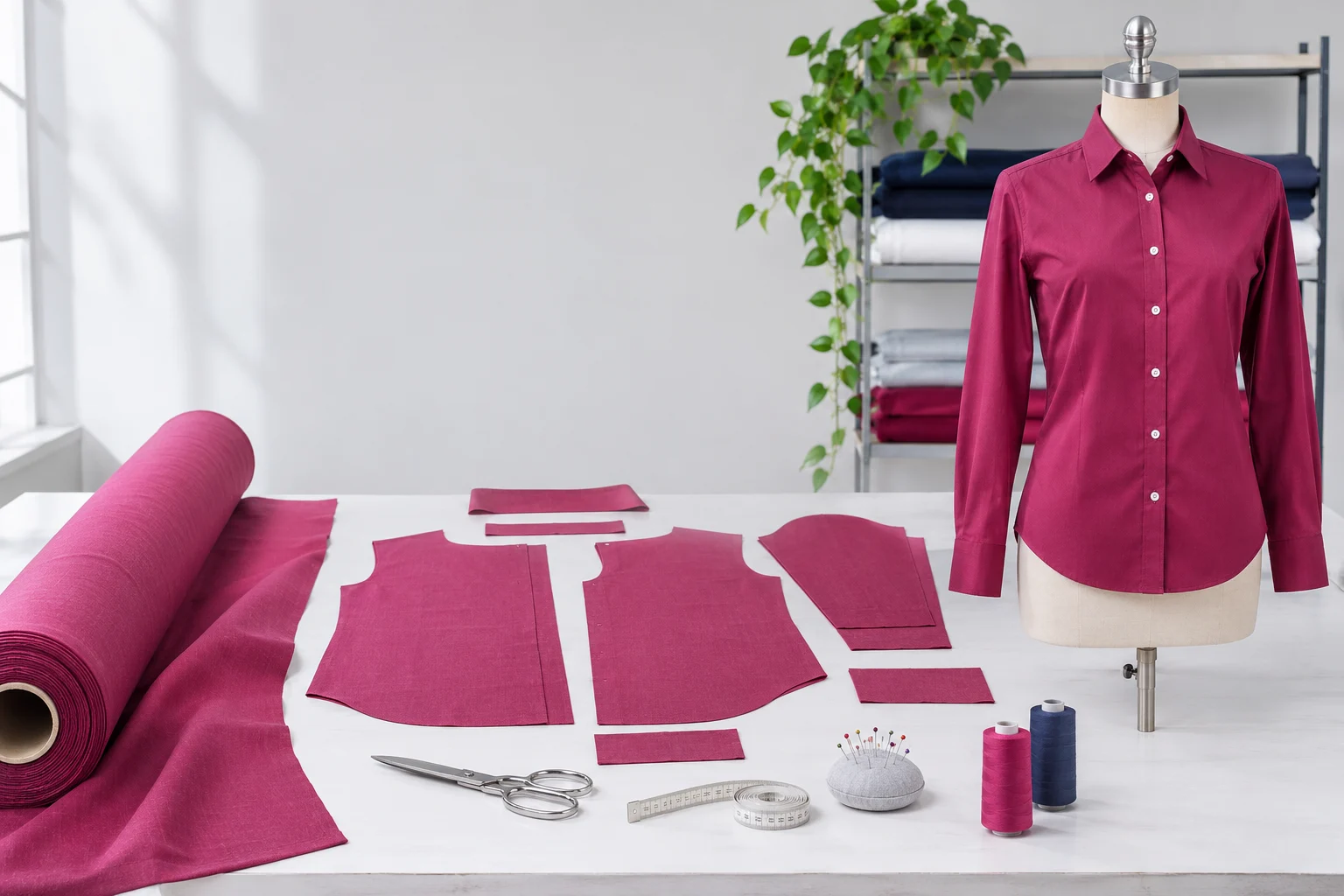
Review patterns, grading, fabric, colors, trims and construction before cutting and assembly.
02
Approve the garment
Check measurements, fit, fabric, decoration, labels and packaging. Record revisions and agree sample scope, fees, timing and shipping.
03
Coordinate production
Carry the approved reference into cutting, sewing, decoration, finishing, inspection and packing.
QUALITY + EXPORT
Define what must be checked and delivered.
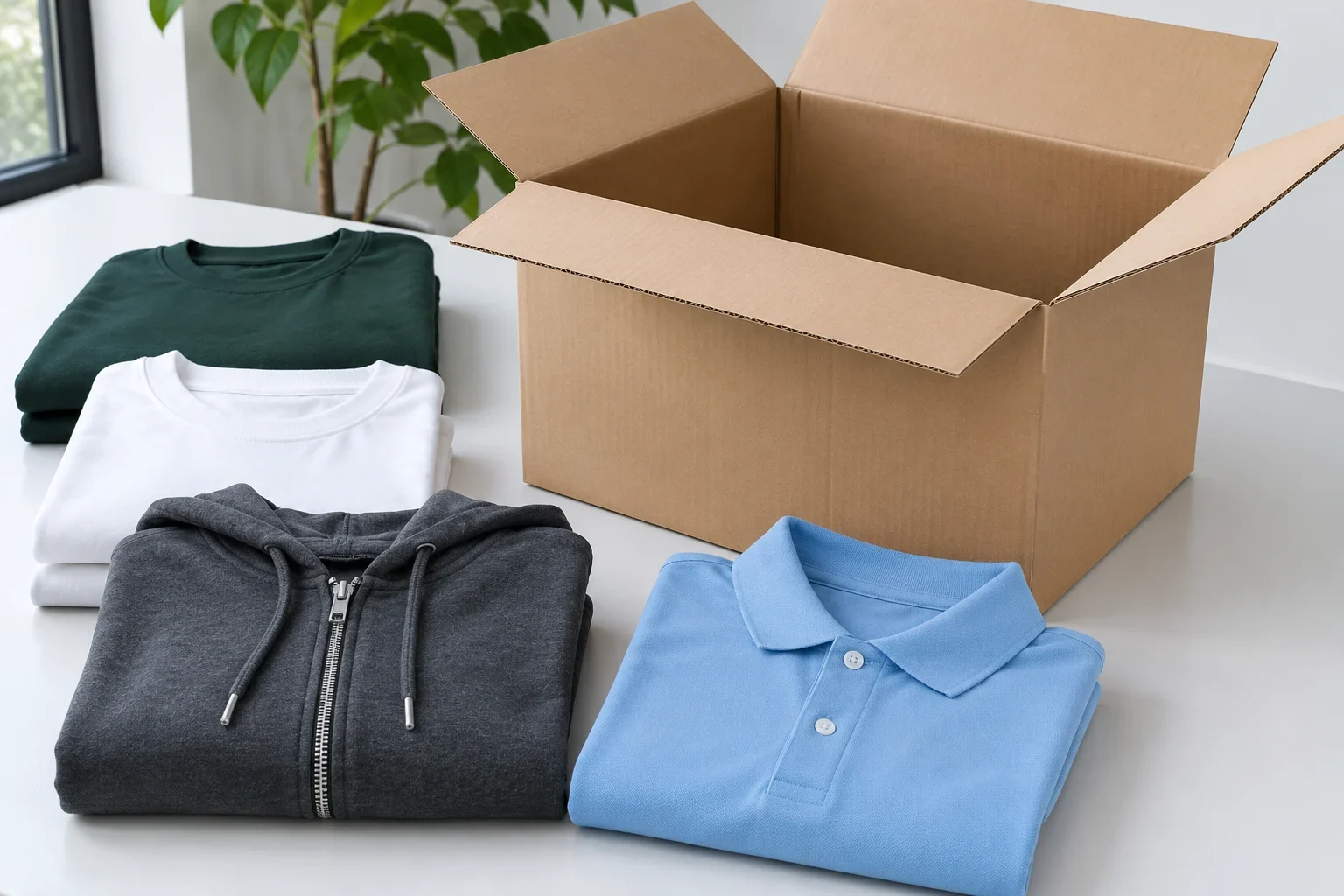
Agree incoming, in-process, measurement, visual and pre-shipment checks for your garment. Inspection arrangements and any third-party work need a defined scope and supporting records.
01
Acceptance
Measurements and tolerances, defect definitions, sampling plan, AQL if used, test methods, reporting and corrective action.
02
Qualification
Request current records relevant to the product, production allocation and any certification relied on. Confirm facility roles and equipment information needed for your evaluation.
03
Shipment
Confirm standard export or branded packing, freight cost, express/air/sea options, documents, Incoterms, destination restrictions and delivery responsibilities.
FOUR PARTS OF THE BRIEF
Make the quotation specific to your order.
MOQ, material availability, pricing and timing are reviewed for the style, quantity, decoration, sample status and production schedule. Discuss allocation and current terms through production planning; no network total establishes capacity reserved for your order.
A
Product and fit
References or technical files, silhouette, construction, measurements, grading, target fit and size range.
B
Materials and identity
Composition, weight, color standards, trims, artwork, placement, labels, folding and packaging. Review sourcing and branding.
C
Quantity and delivery
Units by style, color and size, destination, preferred freight and target delivery window.
D
Approval status
Sample status, changes still needed, required checks and supporting documents. Use the specification checklist; request a sample or technical advice for open decisions.
YOUR NEXT STEP
Bring the product and the order together.
Send your product references or tech pack, material and branding requirements, quantity breakdown and destination. Include sample status and the delivery window you need reviewed.