
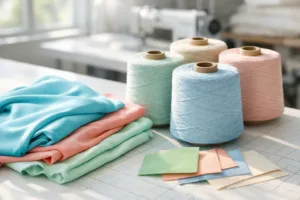
Introduction: The Essentials of Sustainable Swimwear Materials
When it comes to choosing the right swimwear, material matters just as much as style. Today, the demand for sustainable swimwear has never been higher, with both consumers and brands seeking out eco-friendly options for their swimsuits. But what makes a material “sustainable,” and how do you balance comfort, durability, and environmental impact? This guide, shaped by genuine manufacturing experience, explores the options, trade-offs, and hidden truths about sustainable swimwear materials explained so you can make smarter, greener choices for your next collection or personal purchase.
Understanding Sustainability in Swimwear

‘Sustainable swimwear’ refers to swim gear created with as little negative environmental impact as possible—across sourcing, manufacturing, use, and disposal. Fabrics can be recycled, bio-based, or engineered for longer life and lower microplastic shedding.
Main Types of Sustainable Swimwear Fabrics
Eco-friendly swimwear fabrics fall into three main categories: recycled synthetics (like ECONYL®), bio-based materials (such as organic cotton and bamboo blends), and innovative new fibers like Q-NOVA® and bio-nylon. Each brings unique benefits and challenges in terms of feel, performance, and production.
Recycled Polyester (rPET)
Recycled polyester is made from post-consumer plastic bottles and textile waste. It’s durable, quick-drying, and almost indistinguishable from virgin polyester, making it a favorite for sustainable swimwear. However, brands and factories must invest in reliable sourcing to avoid greenwashing; for example, detailed knowledge of fabric manufacturing processes is needed to truly ensure sustainability.
ECONYL® Recycled Nylon
One of the most recognized names in circular swimwear fibers is ECONYL®. This high-quality nylon is regenerated from ocean plastics, fishing nets, and industrial waste, offering the comfort, stretch, and colorfastness favored for bikinis and performance swim. Brands like Ninghow Apparel have found that ECONYL’s batch consistency is crucial to achieve accurate fit and predictable production at scale.
Bio-Based & Natural Materials
Some brands incorporate organic cotton, bamboo viscose, and even hemp yarns in swim collections, typically as lining or accent fabrics. Be wary: pure plant fibers can break down quickly in saltwater and chlorine, so blends or smart engineering are essential for longevity. See our complete guide to hemp fabric in swim and apparel for more insights.
The Role of Spandex (Elastane) in Sustainable Swimwear
Almost all high-performance swimwear relies on elastane (spandex) for stretch. While traditional spandex is petroleum-based, newer versions like ROICA™ are partially recycled or bio-derived, helping reduce environmental burdens without sacrificing fit.
Comparison Table: Traditional vs. Sustainable Swimwear Materials
| Material | Source | Durability | Sustainability | Feel |
|---|---|---|---|---|
| Virgin Nylon | Petrochemical | High | Low | Soft, very stretchy |
| ECONYL® | Recycled ocean waste | High | High | Soft, stretchy |
| Recycled Polyester (rPET) | Plastic bottles/textile waste | Medium-High | High | Firm, quick-dry |
| Bamboo/Cotton Blend | Plant-based | Medium | Medium-High | Natural, soft |
| Hemp Blend | Plant-based | Medium | High | Earthy, breathable |
Certifications: Proving Real Sustainability
When choosing sustainable materials, look for third-party certifications like GRS (Global Recycled Standard), OEKO-TEX®, and Bluesign®. These assure minimum environmental and worker safety standards during fabric production. For buyers, particularly startups, knowing the critical factory sourcing questions can prevent costly surprises down the line.
The Environmental Impact of Swimwear Materials
The main sustainability challenges in swimwear come from synthetic microfibers entering waterways during laundry. Recycled and engineered fibers typically shed less, but using properly finished fabrics and encouraging gentle laundering are part of a realistic solution.
Factory Perspective: Sustainable Swimwear Production Challenges
From a garment manufacturer’s viewpoint, working with eco-materials requires careful planning. Lead times might be longer, and minimum order quantities (MOQs) for specialty recycled yarns can be higher. Production lines may need to adjust temperature, tension, or dye techniques to suit recycled fabrics—insights often overlooked by design-only teams.
Advantages of Sustainable Swimwear Materials
- Reduces reliance on new petroleum resources
- Lowers carbon and water footprints
- Often resistant to chlorine, salt, and UV damage
- Aligns with consumer values and marketing trends
Downsides and Trade-Offs
- Price premiums for certified eco yarns and specialty processing
- Potential for greenwashing if supply chain transparency is weak
- Slightly reduced stretch or hand-feel in lower-quality recyclates
Understanding MOQ and Customization for Swimwear Brands
Sustainable swimwear fabrics sometimes come with high MOQs (Minimum Order Quantities), making small batch or boutique launches challenging. Factories that support low-MOQ swimwear runs can unlock more innovation and less waste for emerging brands.
Design Considerations for Eco-Swimwear
Success with sustainable materials means thoughtful silhouette engineering, robust lining choices, and strategic use of trims (such as bio-elastics and recycled zippers). Overlooking these details can undermine even the ‘greenest’ material story.
Fit and Quality Control Insights
Eco-fabrics occasionally behave differently during cutting, sewing, and finishing. At Ninghow Apparel, our production teams stress the importance of early sampling and in-process QC—avoid surprises, ensure fit consistency, and invest in robust pre-production approvals.
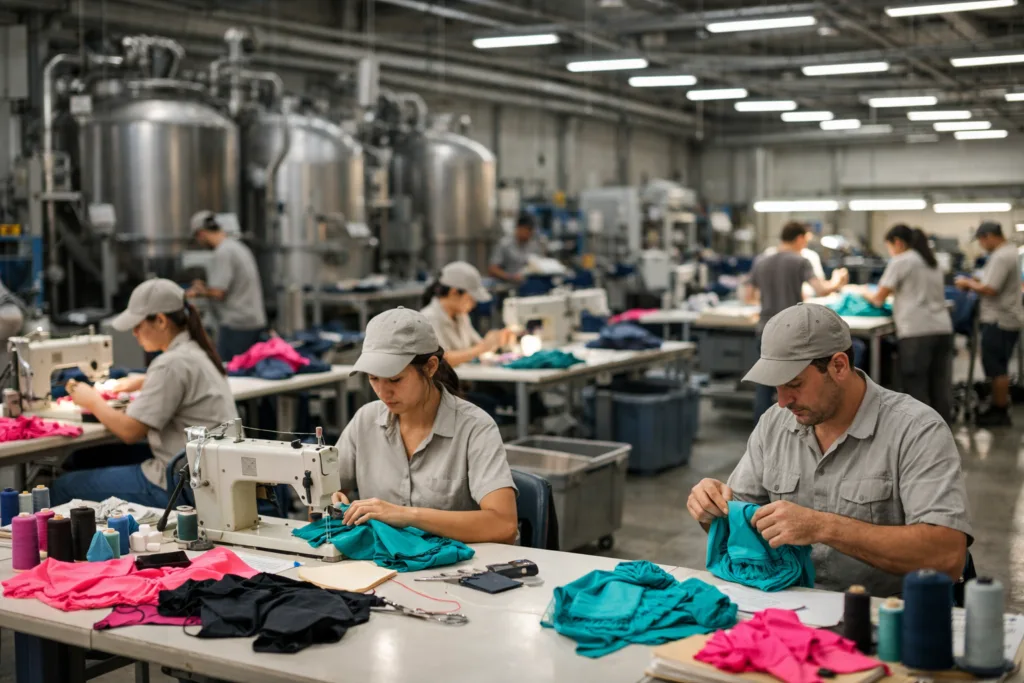
Performance: How Do Sustainable Materials Actually Hold Up?
Swimmers and athletes want materials that hold their shape, dry fast, and resist sagging. Today’s high-quality recycled polesters and regenerated nylons meet these standards, but not all suppliers deliver the same level of stretch or color retention—making fabric selection and testing critical.
Cost Analysis: Is Sustainable Swimwear Worth It?
On average, certified recycled and bio-based yarns are 10–30% more expensive than conventional ones. However, the true lifetime cost is often lower due to longer garment life and reduced environmental liability.
Common Pitfalls: What to Watch Out For
- Invisible blends: “Recycled” claims sometimes only refer to a portion of the yarn content
- Lack of verifiable chain of custody (no GRS-certified evidence)
- Incompatible trims or linings ruining full-garment sustainability claims
How to Vet Suppliers for Authentic Sustainable Materials
Ask for third-party test reports and chain-of-custody documents; confirm MOQs and pricing; and insist on production-line visits if possible. Leverage detailed checklists and hands-on swatch evaluation, not just a glossy sales deck.
Best Practices for Low-Impact Swimwear Production
- Prioritize closed-loop dyehouses and minimal-waste patterning
- Integrate recycled elastics and fully recyclable tags/packaging
- Communicate care instructions to maximize product life
Case Study: One Brand’s Sustainable Swimwear Journey
One boutique brand worked closely with its factory to swap virgin nylon for ECONYL, picked bio-degradable paper hangtags, and used GRS-certified rPET lining. Though initial launch costs rose 18%, waste fell by 35%, and customer reviews improved, reinforcing the value of sustainability done right.
Consumer Tips for Choosing Sustainable Swimwear
- Look for specific fiber content breakdowns (not just “eco” claims)
- Verify certifications listed on product tags
- Opt for styles designed for durability, not fast fashion
- Follow garment care instructions to reduce microplastic shedding and waste
Sustainable Swimwear Materials Explained
Sustainable swimwear materials explained simply: prioritize recycled or regeneratively sourced fibers that balance performance, comfort, and environmental footprint. Be diligent with supplier vetting, design with full garment lifecycle in mind, and favor suppliers or factories with a transparent environmental record.
The Future of Eco Swim: What’s Next?
Biodegradable nylon, seaweed-based fibers, and closed-loop production processes are rapidly emerging. Just as important: brands and consumers now value traceability and honest trade-offs over flashy but shallow “green” marketing. The path to truly sustainable swimwear is both material science and smart manufacturing working hand-in-hand.
Conclusion: Making Sense of Swimwear Sustainability
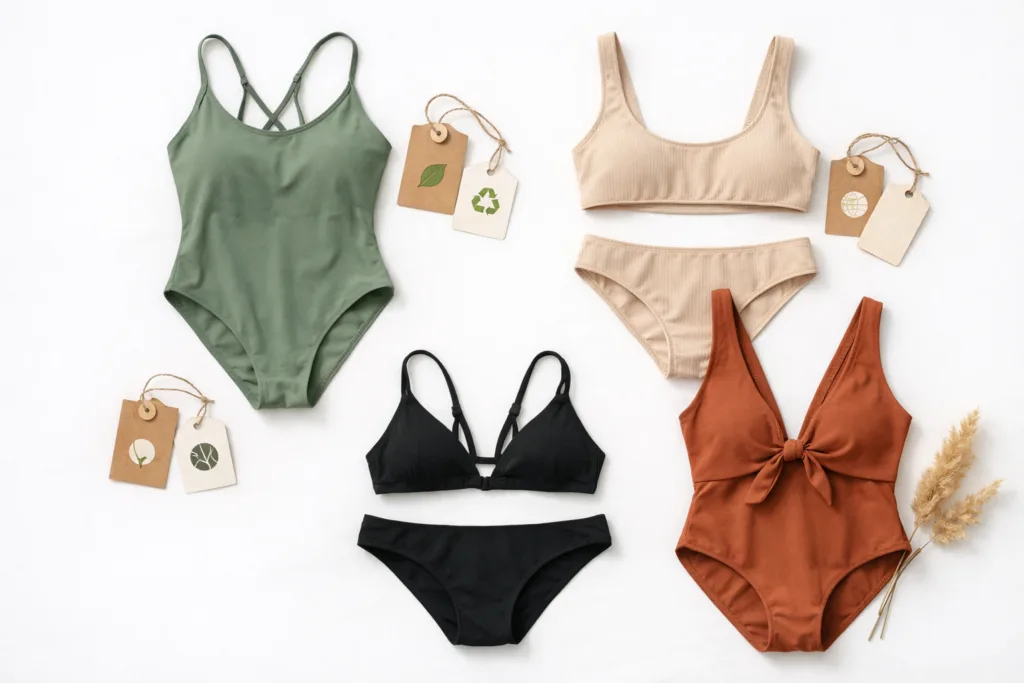
Sustainable swimwear is more than a trend—it’s a new standard for balancing comfort, performance, and responsibility to the planet. By understanding your material options and production realities, you can choose fabrics and partners that truly reflect your values. Every mindful decision, from yarn selection to factory quality control, brings us closer to a swimwear industry that’s built for the future.
Frequently Asked Questions
What is the most sustainable swimwear material?
Currently, ECONYL® (regenerated nylon) and GRS-certified recycled polyester (rPET) are widely regarded as top choices for sustainable swimwear due to durability, closed-loop processes, and reliable supply chains.
Is recycled polyester (rPET) safe and comfortable for swimwear?
Yes, high-quality rPET is engineered for softness, stretch, and comfort—matching virgin polyester in feel and performance, but with lower environmental impact.
Are natural fabrics like cotton and hemp good for swimwear?
Plant-based fibers are breathable and eco-friendly for some applications but don’t stand up well to chlorine and saltwater. They’re best used as linings or blends with more durable synthetics.
Why do eco-friendly swimwear fabrics cost more?
Price increases reflect the higher costs of recycling processes, certification requirements, specialty dyeing, and sometimes higher minimum order quantities at mills and factories.
How can I check if sustainable claims are real?
Always look for third-party certifications (like GRS or OEKO-TEX) on hangtags or company pages and ask for chain-of-custody or test reports—avoid vague “eco” language without factual backing.
What should small brands do to start producing sustainable swimwear?
Start by sourcing small-quantity suppliers that offer certified recycled or sustainable yarns, confirm MOQ requirements early, and prioritize robust sampling and QC before launch.