
Why Quality Matters in a POLO Shirt
The timeless POLO shirt is a staple in almost every wardrobe, but not all POLOs are created equal. A high-quality POLO shirt embodies craftsmanship, durability, comfort, and style. When you invest in a well-made POLO, you’re not just buying a piece of clothing—you’re securing a garment that can transition from casual brunches to business-casual meetings with effortless grace.
POLO shirts, when designed with precision and care, can last for years without losing their shape, color, or luxurious feel. But what exactly separates a top-tier POLO from a mediocre one? It boils down to three pillars: materials, stitching, and fit.
Understanding POLO Shirt Materials
Selecting the right material is the very heartbeat of crafting a superior POLO shirt. Materials determine the look, feel, durability, and breathability of the shirt.

Natural vs. Synthetic Fabrics
When considering a POLO shirt, natural fibers like cotton reign supreme for their comfort and breathability. Synthetic options such as polyester blends can offer wrinkle resistance and moisture-wicking capabilities but may lack the luxurious touch that pure cotton offers.
Best Fabrics for POLO Shirts
- 100% Cotton: Prized for its softness and breathability.
- Piqué Cotton: Known for its textured weave that promotes airflow.
- Cotton-Polyester Blends: Combine durability with a lightweight feel.
Each fabric has its strengths, but when quality is the goal, 100% high-grade cotton—particularly long-staple varieties like Egyptian or Pima cotton—often leads the race.
Why Piqué Cotton is Popular
Piqué cotton is distinguished by its unique weaving style, creating a subtle waffle pattern that enhances durability and breathability. It holds dye well, ensuring vibrant colors that don’t easily fade after multiple washes.
The Importance of GSM in Fabrics
GSM, or grams per square meter, measures fabric weight. High-quality POLOs typically feature a GSM between 180 and 220, providing a substantial feel without being heavy. Higher GSM indicates greater durability and a richer texture.
Breathability and Comfort
Nobody wants a shirt that feels like a sauna. Superior materials guarantee that your POLO shirt keeps you cool under the sun and comfortable throughout the day, making it an essential summer wardrobe piece.
How Material Affects POLO Shirt Lifespan
A shirt made from premium fabric will resist pilling, stretching, and fading far better than a budget version. Over time, this resilience translates into exceptional value and a more sustainable choice.
Understanding POLO Shirt Stitching
Stitching isn’t just about holding fabric together; it’s an art form that determines the overall integrity and appearance of a POLO shirt.
How to Identify Quality Sewing
Turn the shirt inside out and inspect the seams. Tight, even stitches are hallmarks of quality. Loose threads, skipped stitches, and uneven lines spell trouble.
Types of Stitching Techniques
- Single-Needle Stitching: Cleaner and stronger, but more time-consuming.
- Double-Needle Stitching: Offers additional reinforcement at seams for enhanced durability.
Both methods, when executed with precision, elevate a POLO shirt’s finish and functionality.
The Role of Seam Reinforcement
Reinforced seams prevent splitting and contribute to a neat silhouette. Bartacks (dense stitches at stress points) or side seam reinforcements can signal higher quality.
Common Stitching Flaws to Watch For
Be wary of:
- Overlapping stitches
- Uneven hems
Exposed loose threads Such flaws suggest rushed production and a lack of quality control.
Quality Control in Manufacturing
Top-tier brands enforce strict quality control, ensuring every shirt meets high standards before reaching customers. These practices significantly affect product consistency and satisfaction.
The Impact of Collar Construction
A well-constructed collar maintains its shape over time, even after multiple washes. Look for collars with interlining or light fusing for structure, without making them overly stiff.
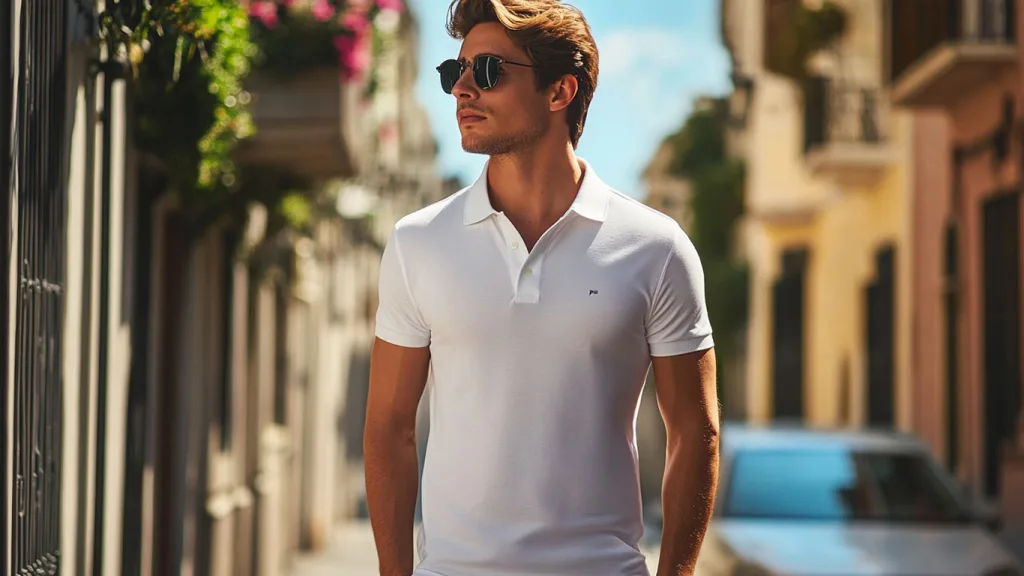
Fit and Form: The Key to Style
If a POLO shirt doesn’t fit properly, even the best materials and stitching can’t save it. Fit bridges the gap between casual and polished.
Different Types of POLO Shirt Fits
- Slim Fit: Contours closely to the body without being restrictive.
- Classic Fit: Provides a relaxed, traditional silhouette.
- Modern Fit: A middle ground offering slight tailoring without clinginess.
How to Choose the Perfect Fit
Choose a fit that complements your body type and purpose. For instance, a slim fit looks great for evenings out, while a classic fit may be better suited for a day on the golf course.
The Role of Shoulder Seams
Shoulder seams should align perfectly with the edge of your shoulders. A misaligned seam indicates poor fit and craftsmanship.
Sleeve Length and Opening
Sleeves should end mid-bicep and have a slight taper. Too baggy, and the shirt looks sloppy; too tight, and it restricts movement.
Understanding Side Vents
Side vents, small slits at the bottom sides of a POLO, provide flexibility and allow the shirt to sit properly whether tucked or untucked.
Button Plackets and Quality Details
Buttons may seem minor, but they reveal much about quality. High-end POLOs use durable materials like mother-of-pearl or branded resin buttons, secured tightly with cross-stitching.
Choosing the Right Color and Pattern
Solid colors like navy, white, and black are timeless. Meanwhile, stripes or subtle patterns can add personality without overwhelming the shirt’s clean look.
Care and Maintenance of POLO Shirts
Follow care labels meticulously. Wash inside-out in cold water, air dry if possible, and iron on low heat. These practices preserve fabric integrity and color vibrancy.
Spotting Counterfeit or Low-Quality POLOs
If a deal seems too good to be true, it likely is. Watch for:
- Inconsistent branding
- Poor stitching
Flimsy fabric Genuine high-quality POLO shirts maintain consistency across every detail.
Top Brands Known for Quality POLO Shirts
Brands like Ralph Lauren, Lacoste, Fred Perry, and Sunspel are synonymous with premium POLO shirts, blending tradition with modern innovation.
Conclusion: Investing in Quality for Style and Durability
In the bustling world of fashion, a high-quality POLO shirt stands out for its understated elegance, superior craftsmanship, and versatile functionality. By focusing on premium materials, meticulous stitching, and the right fit, you’re not just purchasing a shirt—you’re investing in enduring style and confidence.
FAQs
What materials are best for high-quality POLO shirts?
The best materials include 100% cotton, especially Pima or Egyptian cotton, and high-grade Piqué cotton for durability and breathability.
How can you tell if a POLO shirt is well-stitched?
Examine the inside seams for tight, even stitching without loose threads or gaps. Double-needle stitching is often a sign of premium quality.
What fit should I choose for my POLO shirt?
Choose a fit based on your body type and preference. Slim fit for a tailored look, classic fit for comfort, and modern fit for a blend of both.
Why is Piqué cotton popular for POLO shirts?
Piqué cotton’s textured weave offers durability, breathability, and a distinctive appearance that holds up well over time.
How important is collar construction in POLO shirts?
Very important. A well-constructed collar retains its shape and contributes to the shirt’s polished look, even after repeated washing.
What brands offer the best quality POLO shirts?
Brands like Ralph Lauren, Lacoste, Fred Perry, and Sunspel are renowned for producing consistently high-quality POLO shirts.
Clear Call-to-Action (CTA)
Looking for custom, high-quality POLO shirts for your brand, business, team, or event? Ninghow Apparel specializes in manufacturing premium POLO shirts, T-shirts, hoodies, and shorts, offering customized wholesale services to fit your exact needs.
✨ Contact us today for more information, explore our products, and let’s create apparel that truly represents your brand’s identity! Stay connected with us on social media for the latest styles and updates! 🌟