
Clothing Brand Name Ideas: Why the Right Name Matters

A strong name is more than just words. It must be unique, easy to remember, and future-proof. The right name can drive word-of-mouth, attract retailers, and even boost your online presence. For brands like Ninghow Apparel, crafting a name that mirrors quality and craftsmanship plays a vital role in brand image and international appeal. Making the right choice from the start saves money and headaches later on, whether you’re launching activewear, lifestyle basics, or custom polo shirts.
The Full Naming Process for Your Clothing Brand
Picking a standout name doesn’t happen by accident. Follow a proven workflow to ensure your clothing brand name ideas fit your vision and market.
Define Your Brand DNA
- Clarify what you stand for: Sustainability, fit, craftsmanship, or performance?
- Identify your audience: Fashion-forward teens, pro golfers, or corporate buyers?
- Research the market: Who are your competitors and what names have they chosen?
Brainstorm and Build Name Pools
- Collect inspiration from everywhere—heritage, materials (e.g., ‘CombedCotton’, ‘PiqueWear’), or brand promises like ‘EverFit’.
- Mix short and long lists, play with foreign words, and try abstract concepts.
- Avoid clichés that blend in with a crowded market.
Screen for Common Pitfalls
- Check uniqueness: Do a trademark search with the USPTO, EUIPO, or your local agency.
- Secure domains: Is the .com address available? Brand names with clear URLs make finding you easier.
- Avoid double meanings: Test your top ideas in key markets and languages—what’s catchy in English could sound odd elsewhere.
Narrow and Test Your Shortlist
- Get real-world feedback from buyers, designers, and partners. Does the name work when said aloud?
- Role-play: Picture your name on swing-tags, hangers, and online stores. How does it look beside logo concepts?
- Consider future expansion. Will the name suit new styles or target groups?
Finalize and Register
- Register the name as a trademark to protect your brand.
- Secure matching social media handles and your web domain.
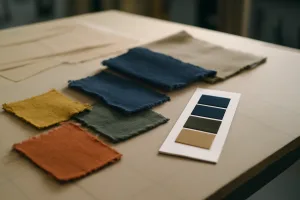
- Order lab dips or strike-offs if the name ties to a specific color story (for brands caring about Pantone or shade bands).
Common Mistakes When Naming Your Clothing Brand
Many new brand owners stumble at this final step. Below are frequent errors that can sink a great concept:
- Copycatting: Names too close to big competitors risk confusion and legal trouble.
- Trend-chasing: Names based on short-lived buzzwords (like “vibe” or “eco” alone) might age poorly.
- Forgetting the future: Names that box you into one style (like “HoodieOnly”) can limit expansion.
- Complex or hard-to-pronounce: If customers trip over it, they’ll forget it.
- Ignoring global checks: Always check your shortlist for difficult meanings or poor translations abroad.
Top Tools to Generate Clothing Brand Name Ideas
Your imagination is key, but digital tools can help avoid blind spots and spark creativity. Many platforms sort by category and check domain availability instantly.
- Shopify Name Generator: Combines naming logic with practical filters for apparel.
- NameMesh: Groups suggestions into creative, short, fun, and SEO-friendly sets.
- Namelix: Uses keywords to generate punchy, modern names with logo previews.
- Lean Domain Search: Focused on domain matching for future online stores.
- Wordoid: Invents catchy, brandable made-up words with international flexibility.
Best Practices When Using Naming Tools
- Mix your seed keywords (e.g., “active”, “urban”, “sustainable”).
- Try short and long options; check that the tool supports international searches.
- Always double-check availability before you fall in love with a name.
International Naming Advice for Global Brands
Naming for an international market demands extra care. What works in your home country may clash with styles or language elsewhere.
Language and Culture
| Aspect | Tip | Example |
|---|---|---|
| Pronunciation | Keep it simple in key markets. | Brands like Zara or Uniqlo are easy to say worldwide. |
| Meaning | Check local translations for odd or negative associations. | “Nova” means “no go” in some regions. |
| Characters | Use letters and blends that suit main alphabets (avoid special symbols). | “FitPro” vs. “F!tPrö” |
| Brand Expansion | Names that can grow into accessories, sportswear, or kids’ lines. | “Odyssey Apparel” can suit future growth. |
Legal and Technical Considerations
- Trademark your name in your target regions—use USPTO (for U.S.) or EUIPO (for EU).
- Adapt labels and packaging for local standards—countries may have specific rules for language, size conversion, and material disclosure (ISO 3758, OEKO-TEX, GOTS certifications for organic claims).
- Check that your color names and codes match across Pantone and region-specific references.
- Plan for logistics: names too long or ambiguous may slow customs or damage control.
Expert Takeaway: “International brands succeed by blending local appeal with a easily-pronounced, globally-sound identity—backed by solid trademarking and trusted product quality.”
The Role of Manufacturing and Quality in Brand Naming
Your brand name hints at every detail—from your signature fabric to your fit standards. A strong name often evokes your core values or hero products. For instance, if your activewear is built on advanced poly-cotton blends (like 32s ring-spun with 5% elastane, 220gsm single jersey), consider names that hint at performance or durability.
Quality Assurance and Naming Alignment
- Fabrics: “PiquePro” or “OxfordFit” suits brands with technical panels or tailored golf polos.
- Finishing: “MoistureGuard” works for apparel with advanced wicking or antimicrobial finishes (tested per ISO 105-C06/X12).
- Decoration: If signature prints or embroidery distinguish your line, names like “Embella” or “ThreadedEdge” suggest detail and high standards.
- QC and Compliance: If your hook is safety or global compliance, “SafeWear” or “EcoAttest” signals trust. Ninghow Apparel often matches name themes in label copy or hangtag language.
From Tech Pack to Tag: Real-World Brand Naming Flow
- Develop a tech pack with precise garment specs: Choose between combed cotton (20s/24s/32s), rPET blends, and modal/viscose for application fit.
- Order color lab dips for signature shades—brand names with color roots (e.g., “Indigo Lane”) rely on strict Pantone matching and batch control.
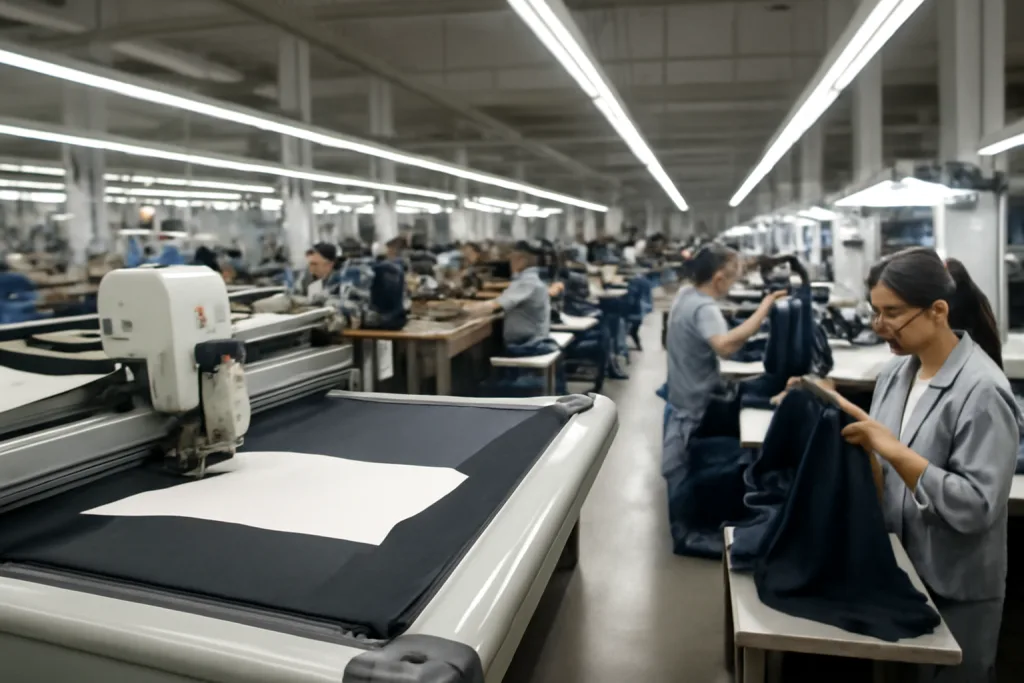
- Decide cutting methods (auto vs. manual) and assembly line (flatlock, coverstitch, or bartack for high-wear zones)—these details may inspire a name that feels authentic.
- Plan for seamless decoration: screen print, sublimation, embroidery, or DTF? The method impacts name themes (“Printside” vs. “StitchMark”).
- Document your spec table and care instructions (using standardized symbols). Names like “CareCrafted” or “WashSafe” build on this trust.
Clothing Brand Name Ideas
Looking for inspiration? Here are sample approaches for clothing brand name ideas across styles and markets:
- By Apparel Focus: PoloPulse, HoodieHaven, ThreadEdge, ModalEase, AthleticaFlow
- By Value: FairFit, GreenCraft, LastingWeave, IntegrityWear, SustainEdge
- By Market: CityLoft (urban), TeeTradition (basics), ProRange (teams), ResortShade (beach/resort), FlexPath (athletic)
- By Experience: EverydayComfort, ColorBound, LegacyLayer, LuxeThread, TrueForm
Always screen your favorites for availability, shortlists, and global fit before locking in your final choice.
Next Steps After Naming Your Brand
Your name is your foundation. Next, map out your logo, secure your web presence, and prepare garment labels. Coordinate with your apparel manufacturer to match hangtags, care labels, and packaging with your new brand identity. Companies like Ninghow Apparel handle OEM/ODM for start-up and growing clothing brands—ensuring labels, trims, and QC reflect your chosen name and story.
Essential Brand-Building Tasks
- Design a logo and visual identity kit using your final name—consider pro designers for scalable, timeless looks.
- Register all domains and social media handles linked to your name.
- Create a brand guideline document: fonts, colors, tone, product hangtags, and woven label designs.
- Set up a tech pack branded with your new logo and company name for your chosen factory, such as Ninghow Apparel or similar trusted partners.
- Request PP (pre-production) samples with finalized trims, hangtags, and care labels. Test all labels for compliance: OEKO-TEX, REACH, CPSIA, or applicable local standards.
- Plan for initial marketing—website, social launch, and PR using your brand name story.
Building Enduring Value Through Your Brand Name
The name you choose for your clothing brand is more than a label—it’s the start of your relationship with every buyer, retailer, and supplier. When paired with quality manufacturing, consistency, and clear values, the right name becomes a key growth driver and trust anchor, from your very first T-shirt run to an international launch. Take the time to choose wisely.
Frequently Asked Questions
How do I make sure my clothing brand name is unique?
Search registered trademarks and similar business names with agencies like the USPTO or EUIPO, and check domain and social media availability to ensure uniqueness.
Should my brand name include words like ‘fashion’ or ‘apparel’?
Including such words can clarify your industry, but avoid overused phrases unless they add real meaning or make your name stand out from competitors.
What’s the best way to test my clothing brand name for international markets?
Check pronunciation and meaning in your target languages, and consult local experts to avoid unintended translations or negative cultural references.
Can I change my brand name after launching products?
While possible, changing your brand name post-launch is costly and risky; aim for careful screening and trademarking upfront to avoid future rebranding.
How do manufacturing decisions affect naming for clothing brands?
Your fabric choices, quality level, finish, and even color may shape naming—e.g., technical names for wicking apparel or eco-names for GOTS/organic lines.
What support do manufacturers like Ninghow Apparel provide for new brands?
Manufacturers help align garment labels, packaging, and compliance with your chosen name, supporting OEM/ODM, technical file setup, and branding consistency.