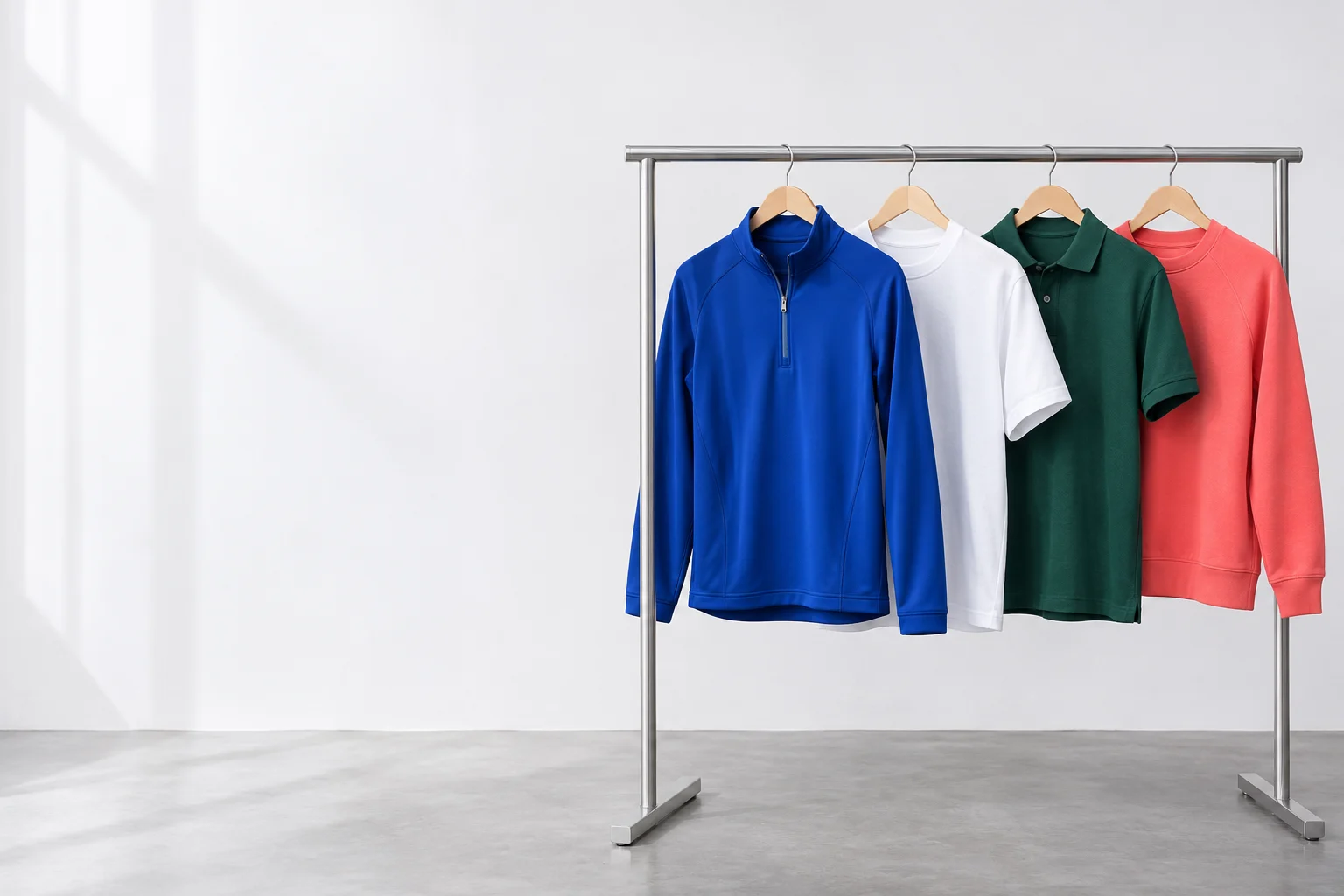



NINGHOW APPAREL / MANUFACTURING
Apparel manufacturing, connected from specification to shipment.
Assess the decisions behind your production route. Ninghow Apparel is a family-owned manufacturer operating its own factories, with development, material sourcing, sampling, production, quality follow-up and export planning for custom clothing programs.

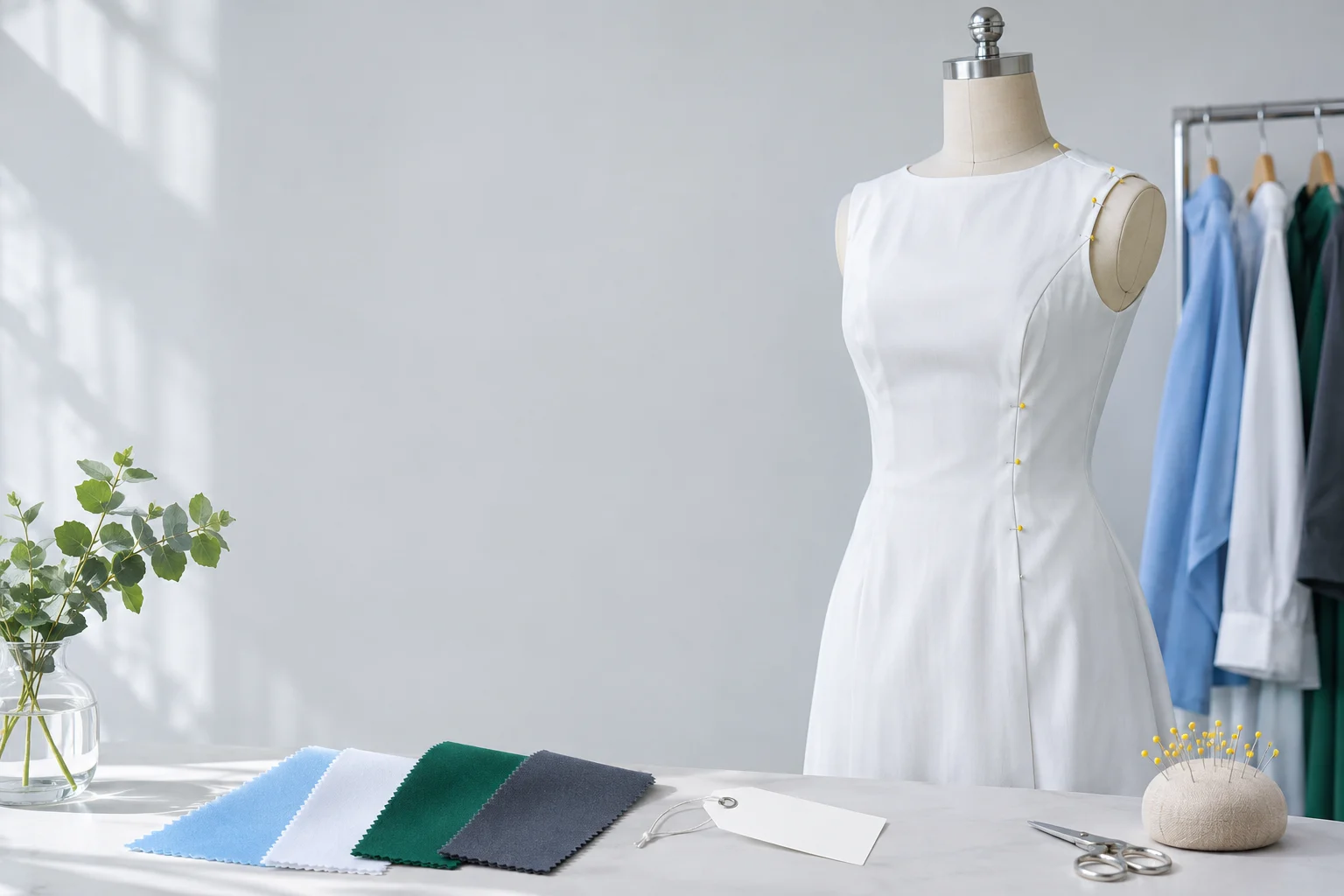
FABRIC / FIT / FINISH
THE CAPABILITY MAP
See the work behind the finished garment.
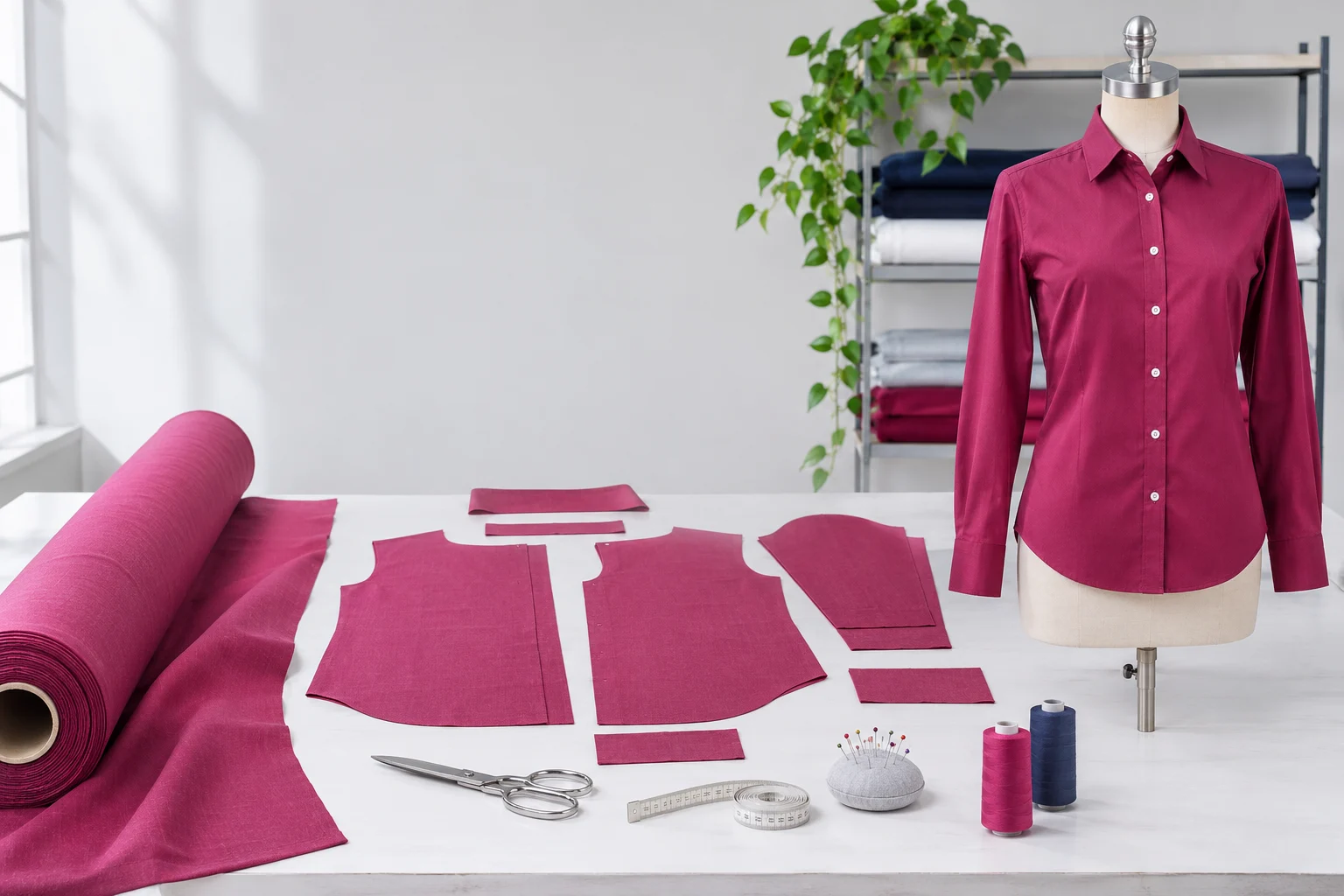
Production brings together the pattern, materials, sample, decoration, quantity, checks and delivery plan. Confirm the scope for the garment, including which party handles each stage.
01
Development and approval
Design discussion, patterns, sizing, fit and samples. Agree grading, technical-file and pattern ownership, fitting feedback, sample charges, revision scope and approval records.
02
Materials and production
Fabric and trim sourcing, cutting, sewing, decoration and finishing. Confirm material availability, process responsibility and stage-specific requirements.
03
Checks and dispatch
Inspection, packaging and export coordination. Agree acceptance, corrective action, documentation and delivery responsibilities.
Inside our own production facilities.
Our family-owned manufacturing business connects garment development with the work on the factory floor. Discuss the facility and process route that fit your product.
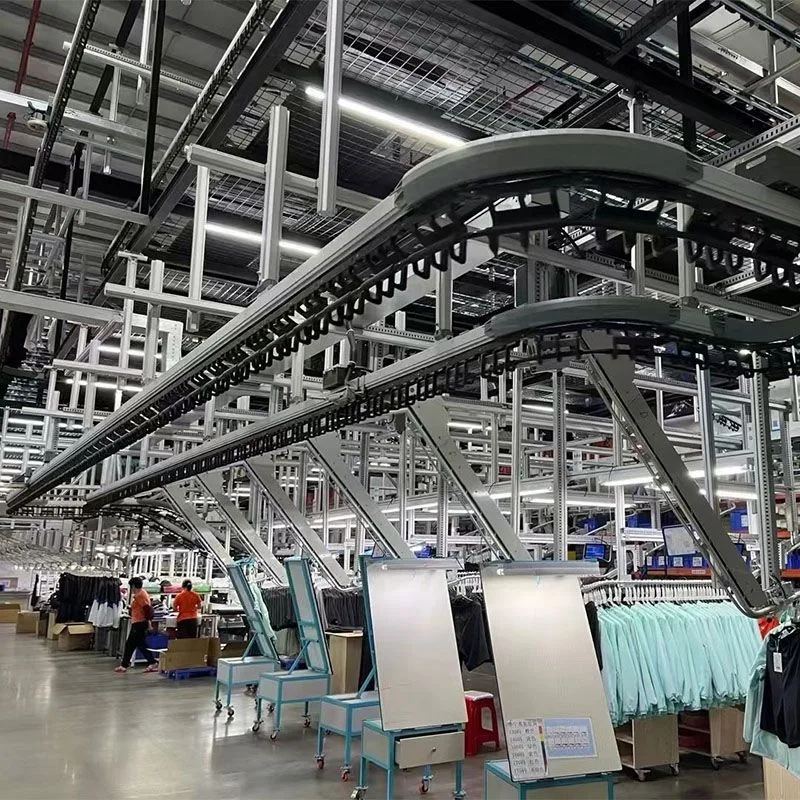
Garment production
CLOTH / THREAD / TRIM
Approve the material and its use together.
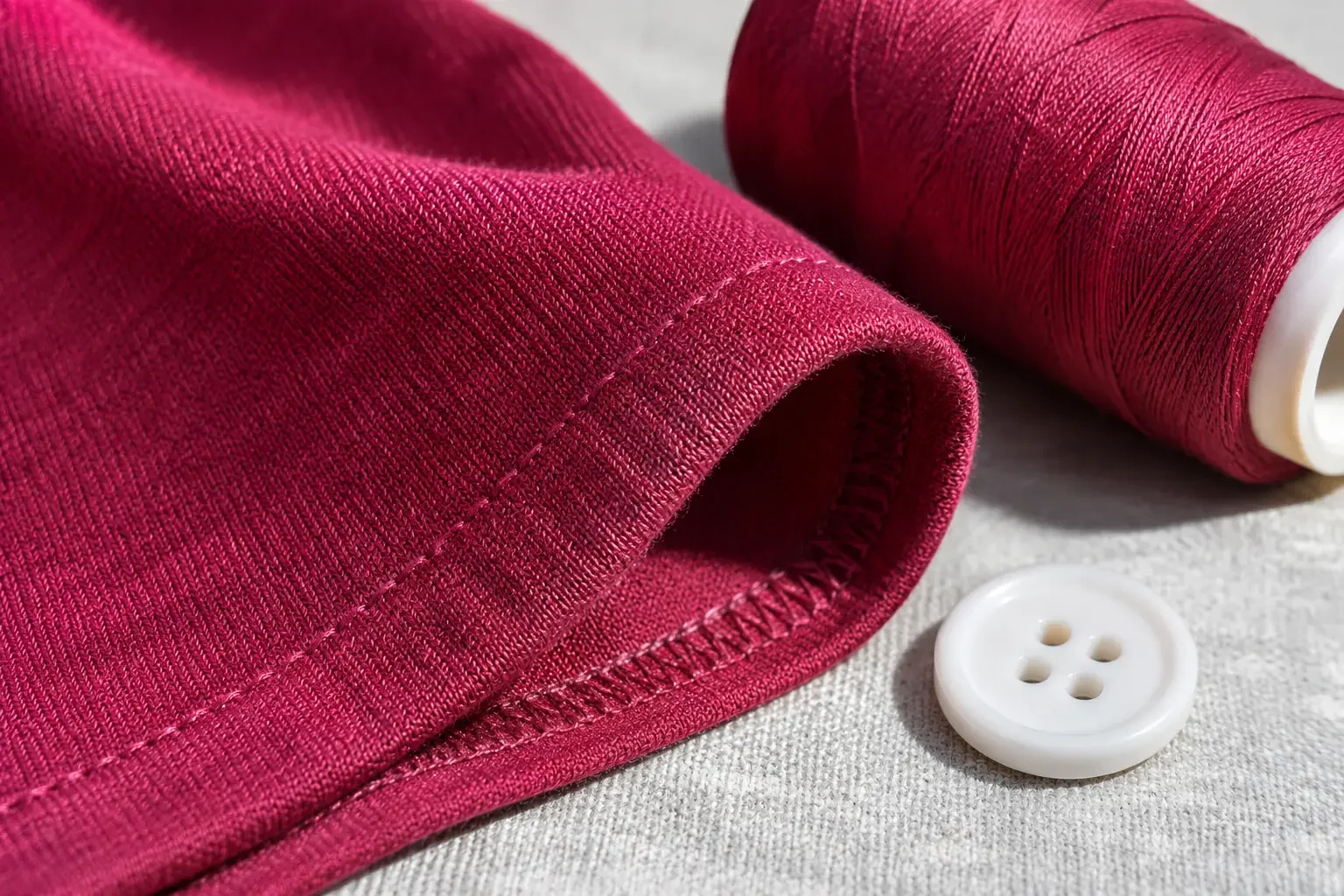
Cotton, polyester and blends are composition choices; knitted and woven are construction choices. Fleece and stretch materials need review against fit, recovery, care and the intended garment. Confirm weight, color, finish, composition records and availability for the selected material.
A
Fabric reference
Record the approved swatch, color standard and requirements for care, shrinkage, colorfastness or other product-specific testing.
B
Construction components
Connect fabric, thread, seams, closures and trims to the pattern and inspection requirements.
C
Decoration compatibility
Review embroidery, screen printing or heat transfer with the actual artwork, fabric, placement, color and tolerances. Approve samples and any required wash testing.
D
Product scope
Browse polos, tees, hoodies, layers, bottoms, tanks, activewear, golf and uniforms. Feasibility depends on each style, construction, decoration, quantity and approval requirement.
PRODUCTION HANDOVERS
Keep the approved specification moving with the work.
Agree which facility or production partner handles each stage and how changes are authorized. The route depends on the product, materials, decoration, quantities and approvals.

01
Prepare patterns and materials
Translate approved measurements and construction into patterns, grading and cut components. Confirm pattern ownership, CAD or software requirements, marker/yield process, equipment and cutting responsibility where relevant.
02
Construct and decorate
Carry the approved fabric, seam, closure and artwork information into sewing and decoration. Review process limits and placement requirements before bulk approval.
03
Finish and pack
Check presentation against the approved specification, then follow agreed folding, labels, individual packing and carton instructions.
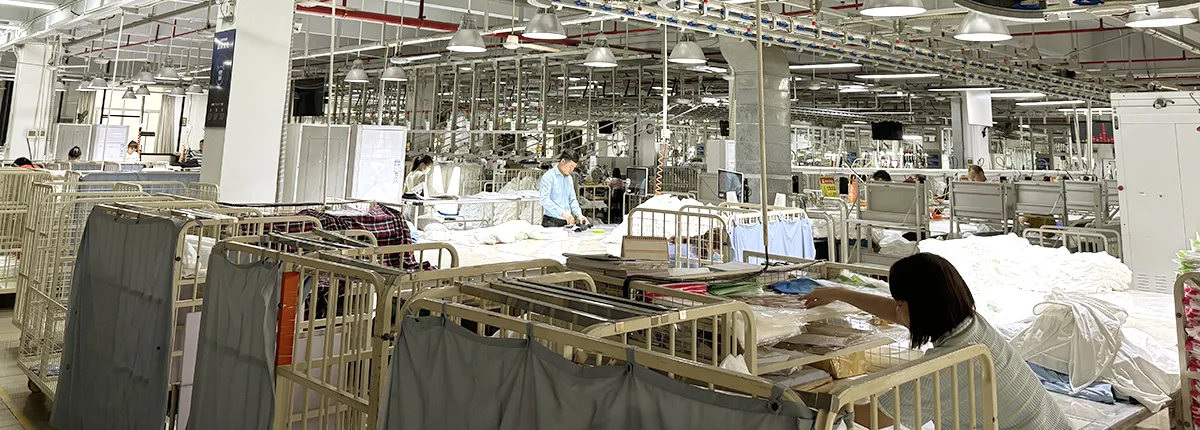
The people, materials and equipment behind the work.
Keep approved specifications available to the teams responsible for each stage. Confirm the equipment and checks needed for your garment before production.
Production workspace

Equipment workspace
QUALITY REQUIREMENTS
Define the check. Keep the record.

Agree inspection requirements before production. Incoming material checks, sample approval, in-process review, measurement and visual checks, and pre-shipment inspection need a defined scope.
Read the quality-control process to relate these requirements to the inspection workflow.
01
What is checked
Materials; measurements, grading and fit; seams, closures and labels; decoration and color; packing, quantities and shipment condition.
02
What establishes acceptance
Approved samples, measurement tolerances, defect definitions, sampling plan, AQL if used, test methods, reporting and corrective-action responsibility. Confirm third-party inspection availability, scope and costs.
03
Which evidence applies
Request product-relevant inspection records, test reports and applicable certification documents. Check date, issuer, product scope, standard and validity.
FEASIBILITY AND ALLOCATION
Plan around the order, not a headline number.
MOQ and timing are confirmed after reviewing style complexity, quantity, materials, customization, approvals and scheduling. Ask which facilities or partners would be allocated, what must be reserved and which changes could affect the estimate.
01
Product and quantity
Style or tech pack, references, construction, size breakdown, fabric, color, trims, artwork and packing.
02
Approval status
Sample goals, approved references, unresolved changes and required inspection or test documents. Agree sample charges, timing, revisions and payment/approval milestones.
03
Order allocation
Confirm current production responsibilities, material reservations, capacity relevant to the order and change controls. Review planning and the MOQ and lead-time guide.
04
Delivery and repeat orders
Destination, required date and responsibilities. Recheck approved specifications, material availability, substitution rules and scheduling before replenishment. Use the specification checklist.
PACKING → DOCUMENTS → FREIGHT
Make shipment requirements part of the brief.

Discuss standard export or branded packaging alongside express, air or sea freight. A freight mode alone does not establish a transit time, rate, destination service or customs outcome.
A
Packing instructions
Folding, garment and care labels, individual packing, carton format, artwork, quantities and packing-list information.
B
Documents and responsibilities
Export documents, Incoterms, freight responsibility, carrier options, destination restrictions and customs requirements.
C
Delivery review
Agree estimated transit arrangements, costs and responsibility for each part of the journey.
D
Your next step
Upload specifications for technical review; request a sample for fit or construction validation; request a production estimate when the product, quantity and delivery needs are defined.
YOUR NEXT STEP
Define the production review your garment needs.
Send the style or tech pack, sample status, quantity breakdown and delivery requirements. Identify any open material, quality or allocation questions so the review can focus on your order.