
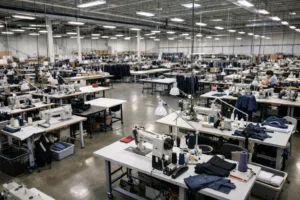
Clothing Makers in USA vs China:
The decision between clothing makers in the USA and China shapes everything from brand reputation to your bottom line. Whether you’re launching a label or scaling up, understanding how these two major hubs truly differ—beyond buzzwords or worn-out stereotypes—gives your business the edge. This guide breaks down costs, quality, speed, labor ethics, and much more, all from a practical, manufacturer-level view so you can make confident, profitable sourcing choices.
Global Apparel Manufacturing: The USA–China Context

For decades, clothing makers in USA vs China has been more than an industry cliché—it’s a real strategic decision. China dominates bulk production, but U.S. factories have adapted with technical skills and niche specialization. Your choice must consider lead times, order size, supply chain risk, customer priorities, and how manufacturing location aligns with your brand story.
Comparing Core Production Capabilities
China’s apparel factories are well known for world-class efficiency and massive scale, while U.S. makers position themselves as agile and quality-focused. Both regions support custom projects but differ greatly in cost structure and speed-to-market. As you’re planning collections, start by comparing minimum order quantities, typical lead time, and technical options. Explore details in our low MOQ factories resource for emerging brands.
| Attribute | USA Clothing Makers | China Clothing Makers |
|---|---|---|
| MOQ (Min Order QTY) | Often 50–200 units/style | Normally 300–1000 units/style |
| Typical Lead Time | 4–10 weeks | 8–14 weeks (includes shipping) |
| Cost Per Unit | Higher: $10–30/tee (labor surge) | Lower: $3–10/tee (volume leverage) |
| Custom Capabilities | Strong with technical/fashion items | Huge capacity for all apparel types |
| QC (Quality Control) Oversight | Easier for US-based teams | Requires detailed briefs/remotes inspection |
Supply Chain and Sourcing Strategy Differences
Sourcing from the USA usually means shorter lead times and less complicated logistics. Shipments are faster (or local pickup is possible), and there’s less risk of customs delays. Sourcing from China, on the other hand, delivers cost advantages when budgets are tight and high volumes are planned. Many brands operate with a “China Plus One” strategy—balancing China’s scale with another country or home-region supplier, detailed in our China Plus One supply chain guide.
Labor, Compliance & Ethical Considerations
Brands seeking “Made in USA” labeling often focus on supporting local jobs and ensuring fair labor standards. U.S. factories must comply with higher wage laws and strict worker protections. China’s large factories have improved over the last decade, but factory audits and third-party verifications remain critical. It’s wise to check certifications, no matter where you produce, to protect your brand’s reputation.
Production Costs: Transparency and Tradeoffs
Labor costs drive much of the USA vs China debate. U.S. workers earn more per hour—so expect higher base prices, particularly for labor-intensive clothing. However, U.S. proximity cuts shipping and import costs, and small batches may be less expensive domestically. If you need to scale up for mass retail, the price advantage of Chinese factories can’t be ignored.
Quality Control Realities (On the Ground)
Ninghow Apparel, with hands-on production in China, emphasizes how vital clear, tech-packed tech packs and approved samples are for overseas manufacturing. Factories routinely match U.S. levels of fit and finish—when detailed quality control is in place. Local U.S. makers provide easier face-to-face oversight, but often work at a smaller scale, so proactive QC processes matter everywhere. Check out how apparel manufacturing quality control works for tips on getting samples right and avoiding costly errors.
Minimum Orders: Risk and Flexibility
U.S. makers frequently accept much lower MOQs than their Chinese counterparts. This is crucial for startup brands testing a market or dropping limited runs. Chinese factories usually want higher initial orders, but can reduce price per unit dramatically as orders grow. Learn to negotiate with factories—wherever they’re based—using tactics from our MOQs negotiation guide.
Speed to Market: Reacting to Trends
American clothing makers help brands react fast—sometimes launching a new style in just weeks. Shipping products from Asia adds 2–4 weeks in transit, even if production is quick. This makes the USA appealing for influencer drops or small-batch collections requiring agility, while China’s lead time is offset by competitive pricing and unlimited production scale.
Customization and Innovation: Who Delivers What?
High-mix, low-volume technical projects (think: sports uniforms, luxury streetwear) benefit from American factories’ close patternmaking collaboration and local sourcing networks. China shines for large or complex projects—hundreds of trim, dye, and finish options, advanced sublimation, custom labels, and more. Factory relationships matter everywhere, but deep customization capability is especially robust in China.
Transparency in Sustainability and Sourcing
Many U.S. garment-makers operate with visible sustainability programs, using local materials and energy-efficient facilities. Yet forward-thinking Chinese firms have invested in recycled fiber sourcing, water-saving dyehouses, and solar energy. Both regions offer certified sustainable production—ask for details. Explore more on sustainable manufacturing practices.
Private Label and Branding Choices
Private labeling is available in both countries. China offers templated solutions for fast, cost-effective brand production, while U.S. factories tend toward shorter runs and support rich mix-and-match customization. Decide if your brand benefits more from wide-ranging options or fast brand drops.
Packaging, Shipping, and Logistics
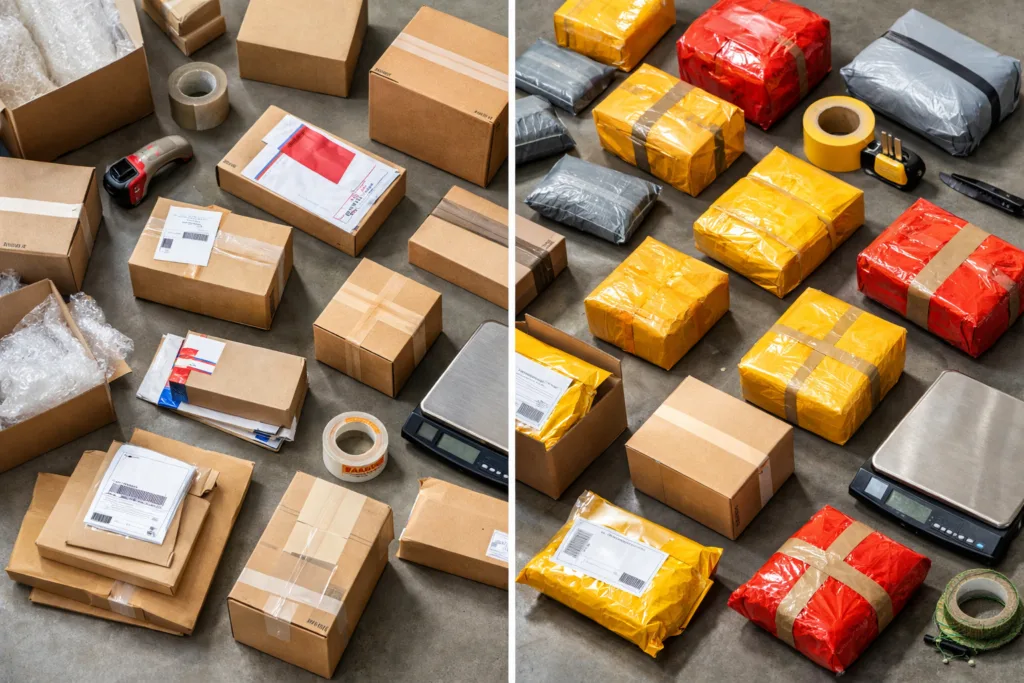
U.S.-based production simplifies cross-country shipping, returns, and wholesale fulfillment. Chinese manufacturing adds the complexity of ocean or air cargo, customs paperwork, and longer lead times. Large import shipments reduce per-piece rates but pose cash flow and inventory challenges. Use an experienced logistics partner either way to avoid surprises.
Sample Development and Fit Consistency
Sample approval sets the tone for all subsequent production runs. In both countries, physical and/or digital samples are routine, but proximity to a U.S. sample room means quicker fit checks and revisions. With Chinese factories, allocate extra time for transit back-and-forth—and rely on clear digital communication for every change.
Innovation, Automation, and Technical Skills
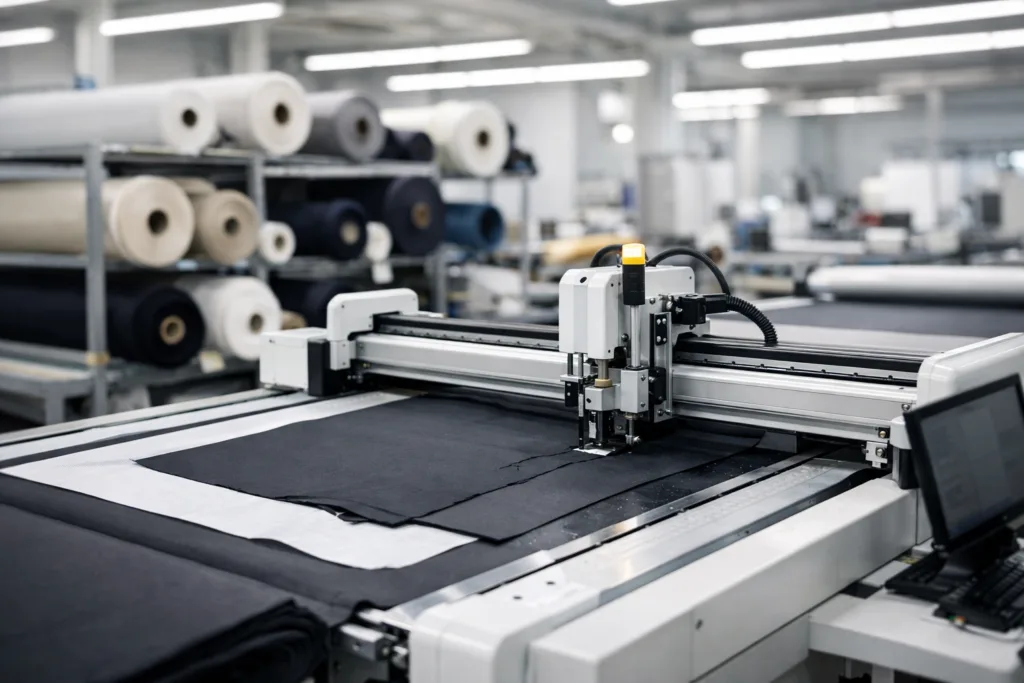
China’s recent surge in automation, robotics, and AI-driven cutting floors is noteworthy. Factories compete to implement next-gen tech, reducing errors and improving consistency at scale. The U.S. invests more selectively, mainly in high-labor-cost regions. Both deliver modern, technically capable garments for sports, fashion, and workwear—but China’s scale enhances cost competitiveness.
Apparel Categories: What Works Best Where?
Basics, outerwear, sports clothing, corporate uniforms—it depends. U.S. factories often specialize in technical knitwear, uniforms, or luxury/niche products. China can deliver nearly all categories at any price point thanks to vast supply networks. Consider your volume, time frame, and technical needs. If you need proof, dive into our category-specific apparel factory options.
Communication, Language, and Collaboration
English-language production in the U.S. makes small details and last-minute changes easier to manage. Top Chinese suppliers today staff bilingual teams and use industry-standard tech packs, but expect project setup to take a touch longer. Frequent video calls and clearly marked design files work wonders regardless of geography.
Brand Image, Storytelling, and Consumer Perception
USA-made often signals support for local jobs and perceived quality. China-made is associated with affordability and scale—with more premium Chinese production stepping up. Consider what “Made In” means to your target customer before choosing. Brand transparency—about why you manufacture where you do—is becoming more important, not less, as consumer expectations rise.
Real Production Insights: From a Manufacturer’s Perspective
At Ninghow Apparel, our production team sees the following: U.S. clients value low MOQs for brand agility and local pride, while Chinese clients leverage automation to balance bulk production with increased customization. Each region’s strengths help different brand strategies win. Tap into real-world experience and clarify technical needs up front to avoid miscommunication, rush fees, or late production.
Clothing Makers in USA vs China
No matter your brand identity, the core comparison remains balancing costs, volume, ethics, and flexibility. For luxury, niche, or fast-market releases, U.S. partners deliver speed and quality oversight. For scaling up, diversifying styles, and maximizing budget, Chinese clothing makers dominate. Many growing brands choose both—mixing production to maximize stability, manage risk, and respond swiftly to new trends.
Choosing the Right Fit: What Kind of Brand Are You?
If you’re still undecided, start by reviewing your must-haves: minimum orders, price versus perceived value, communication style, risk tolerance, and brand story goals. Use pilots or test runs to validate your supply chain; don’t outsource everything until you’re truly ready. Both the USA and China offer world-class production—when you match the right partner to your needs.
Practical Takeaways for Sourcing Apparel in 2026
- Use USA for low-volume, boutique, or ultra-fast launches with tight quality control.
- Go to China for large-volume, price-driven, or highly customized collections with extended lead-time.
- Be flexible—monitor global trends and diversify your sourcing as your business grows.
- Stay hands-on: paired samples, clear briefs, and routine QC checks save expensive headaches later.
Conclusion: Navigating a Shifting Sourcing Landscape
Today’s landscape isn’t just “East vs West.” Brands thrive by combining both worlds: U.S. speed, story, and niche skill with China’s scale, tech, and cost efficiency. Watch the market, invest in relationships, and don’t hesitate to try both. As trends shift, keep your sourcing strategy lean, flexible, and laser-focused on what makes your brand unique. Success is the result of smart choices and hands-on management—wherever your factory floor is located.
Frequently Asked Questions
What are the main advantages of using clothing makers in the USA?
Faster turnaround and lower MOQs make the USA ideal for small or luxury brands needing agility or strict quality control. Local production allows easier communication and supports “Made in USA” branding.
Why do most brands still source from China?
China offers competitive prices, massive production capacity, deep customization, and access to a broad range of fabrics and trims—making it the go-to for scaling up or keeping unit costs down.
How do I ensure quality control when making clothes in China?
Always provide detailed tech packs, approve pre-production samples, and consider third-party or in-factory quality checks to guarantee consistent results throughout mass production.
Are minimum order quantities always higher in China?
Typically yes—their scale favors bigger orders. However, some specialized or startup-friendly Chinese factories now accept lower MOQs if negotiated well or for repeat business.
Is it more sustainable to produce clothing in the USA?
Local (U.S.) production often means a smaller carbon footprint and supports local jobs, but many Chinese factories have also invested in certified sustainable practices. Both regions offer eco options if you ask for them.
What’s the best way to choose between the USA and China for clothing production?
Map out your top priorities: MOQ flexibility, cost, quality, speed, brand image, and volume needs. Start small, test both, and scale up where you see the best fit for your brand goals.
Related Reading
- Why “China Plus One” Strategy Boosts Apparel Supply Chain Resilience in 2026
- Unpacking MOQ: The Real Reason Behind Factory Minimums (with Actionable Tips)
- The Ultimate Guide to Chinese Clothing Manufacturers: What Every Brand Should Know
- Negotiate Smarter: Pro Tactics to Lower MOQs for Small Brand Launches
- Choosing the Right Clothing Manufacturer: Insider Guide for Startups and Scaling Brands