
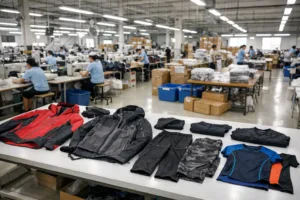
Introduction: Sourcing from Vietnam – The Top Alternative to China
In recent years, global brands like Nike and Adidas have made a noticeable shift in their sourcing strategies, moving major production lines from China to Vietnam. This movement is not just a trend—it’s a strategic pivot driven by changes in manufacturing strengths, cost structures, and market demands, especially for sportswear and functional apparel. Sourcing from Vietnam: The Top Alternative to China has taken center stage in industry discussions throughout 2026, as brands re-evaluate their options amidst economic, trade, and innovation pressures.
Why Are Top Brands Pivoting to Vietnam?

Many industry leaders, including Nike and Adidas, favor Vietnam for its well-developed infrastructure, skilled workforce, and agility in handling multi-category garments. The country’s capacity to execute complex manufacturing jobs—from athletic gear to high-tech outerwear—at competitive costs has been a game changer. In fact, Vietnam has specialized clusters for sportswear and functional apparel, giving it an edge over neighboring competitors.
Vietnam Clothing Manufacturers: The Competitive Edge
Vietnam’s apparel sector is renowned for its fit accuracy, advanced QC procedures, and flexible MOQ policies. The country’s manufacturers are adept at rapid prototyping and managing custom specifications for demanding clients. Many Vietnam clothing manufacturers invest heavily in sustainable materials and processes, responding swiftly to environmental trends. To see detailed supplier categories, check Ninghow’s apparel manufacturing solutions, which reflect a factory-first approach to innovation and reliability.
Vietnam vs China Manufacturing: A Direct Comparison
| Aspect | Vietnam | China |
|---|---|---|
| Labor costs | Lower, more stable | Rising annually |
| Turnaround times | Quick, flexible | Consistent, large scale |
| Sportswear focus | Growing expertise | Established but shifting |
| Functional apparel | Innovative clusters | Strong tech, but less agile |
| Sustainability | Expanding rapidly | Developing, often large-scale |
| Trade stability | Benefiting from FTAs | Facing new tariffs/trade tensions |
Vietnam provides a fresh combination of skilled labor and competitive economics, while China retains strength in mass production and technological integration. Brands must weigh the pros and cons based on specific product categories and market timing.
Industry Trends: The Rise of Vietnam Manufacturing
Vietnam’s garment exports surged by double digits since 2023, with functional and sports apparel leading the charge. Foreign direct investment from global giants has spurred local capability upgrades, especially in technical textiles and digitalized production lines. The trajectory is upward, with Vietnam expected to claim even more market share by 2026, particularly in segments where fit, performance fabrics, and customization are critical.
Functional Apparel Manufacturing: Challenges and Solutions
Manufacturing functional sportswear requires not just sewing precision but innovation in materials and trims. Vietnamese factories have equipped themselves for advanced processes like seam sealing, moisture management, and custom dyeing. According to Ninghow’s fabric process guidance, fabric honesty and consistent QC are central to minimizing rework and keeping production schedules tight.
Sustainability and Compliance: Vietnam’s New Strength
Buyers increasingly demand ethical sourcing and eco-friendly fabrics. Vietnam’s adoption of sustainable practices outpaces many competitors, thanks to international certifications and integration of recycled fibers. Factors such as water stewardship and cleaner dye processes now play a decisive role in supplier selection. For brands pursuing green strategies, sustainable apparel manufacturers in Vietnam are leading the way.
Sportswear Giants: Nike and Adidas Lean into Vietnam
Nike and Adidas have publicly detailed their increased sourcing from Vietnam, especially since 2023. The companies cite production flexibility and risk diversification after pandemic disruptions. Vietnam’s sportswear clusters offer expertise in elastane blends, performance trims, and technical pattern-making, supporting rapid launches and consistent styles season after season.
Labor Cost Trends and Wage Stability
Vietnam’s wage growth remains predictable, making budgeting for large orders less risky. The government’s focus on stable industrial relations and streamlined permitting creates a reliable factory environment, helping brands avoid production stoppages seen elsewhere.
Lead Time Reliability: Keeping Promises
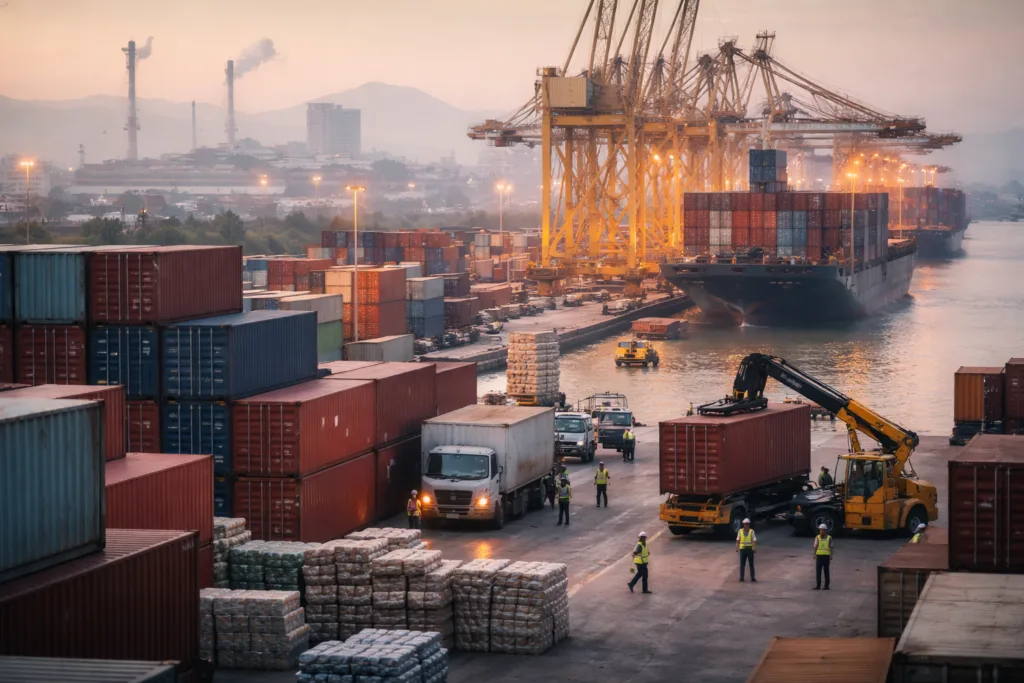
Lead times in Vietnam have become more accurate, with coordinated logistics networks and port expansion. Manufacturers provide realistic ETAs and faithfully manage supply chain risks, from fabric procurement to final inspection.
Minimum Order Quantity (MOQ) Flexibility
Vietnam excels in accommodating start-ups and small brands through low MOQ options, allowing test runs and custom capsule collections. Larger factories allow gradual scaling without sacrificing quality. Interested designers should explore low MOQ programs for flexible order solutions.
Fabric Innovation: From Moisture-Wicking to UV Protection
Vietnamese suppliers actively research advanced materials, bringing innovations such as nanofiber moisture-wicking and eco-dyes into mainstream production. Fabric honesty—the accurate disclosure of blend ratios and sources—is heavily emphasized to keep repeat customers returning for reliably performing products.
Ninghow’s Shop-Floor Wisdom: Fit Matters
In practical terms, fit calibration and stitch consistency are ongoing focal points in Vietnamese production lines. At Ninghow, teams routinely spot-check pattern grading and conduct live fit tests, minimizing surprises for brands and retailers after bulk production. This discipline ensures sizing reliability across global markets—crucial for both established labels and rising sports brands.
Functional Apparel Trims and Specialty Finishes
Sportswear and functional clothing often require complex trims—elastic waistbands, bonded seams, waterproof zippers. Vietnamese factories have equipped themselves to deliver these specialized components, supporting product launches that meet both aesthetic and utility demands.
Quality Control: Brand Protection beyond the Factory Gate
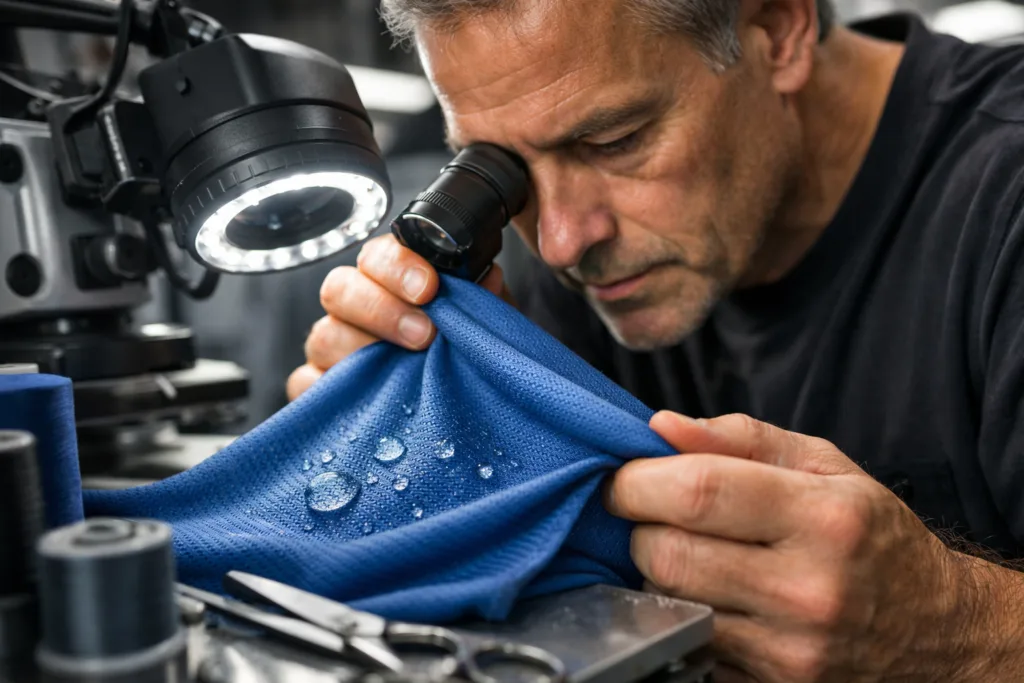
A keystone of Vietnam’s reputation is its evolving QC frameworks. Manufacturers provide full-traceability certifications, photo inspections, and risk-based sampling to protect brand integrity. If a defect arises, speedy investigation procedures allow for quick resolution before goods ship offshore.
Custom Apparel and Rapid Prototyping
Vietnam’s agile production allows brands to quickly iterate samples, reducing wait times and market uncertainties. Rapid prototyping ensures fit adjustments, wash trials, and logo placements are fine-tuned before mass rollout.
Packaging Efficiency: Ready for Global Distribution
Efficient packaging aligns with retailer and e-commerce requirements—flat-folded sportswear, barcoded labels, and recyclable materials are standard practice. Factories coordinate with buyers to meet cost, presentation, and ecological goals in every shipment.
Technology Adoption: The Future of Manufacturing
Digitized pattern-making, machinery automation, and supply chain tracking have become common in Vietnam’s advanced factories. These innovations enable precise fit, reduced lead times, and better yield management—factors contributing to Vietnam’s growing appeal.
Risk Management: Diversifying Beyond China
Brands diversify their production to Vietnam to hedge tariff risks, labor disruptions, and sudden regulatory shifts. Vietnam’s stable trade agreements and strong IP protection frameworks provide brands with added confidence that their business is future-proofed.
Startups and Small Labels: Lower Barriers to Entry
Vietnam’s flexibility empowers new apparel ventures to launch lines with manageable upfront investment. The country’s manufacturer culture is oriented toward client collaboration—sample iterations, small-batch testing, and feedback loops are mainstream, making the journey less intimidating for newcomers.
Global Distribution Networks: Making Logistics Work
Close ties to key seaports and growing logistics expertise allow Vietnam to deliver finished goods more reliably across continents, supporting the requirements of direct-to-consumer brands and major retail chains alike.
Functional Apparel Trends for 2026 & Beyond
Sportswear and technical apparel will continue to define sourcing conversations. Vietnam’s material science investments, paired with a tradition of garment craftsmanship, are setting the standard for moisture management, UV resistance, and ergonomic design.
Sourcing from Vietnam: The Top Alternative to China
The trend favoring Vietnam over China isn’t just about cost—it’s about agility, technical capabilities, and values alignment. Sportswear giants and boutique brands alike now turn to Vietnam for functional apparel solutions that deliver fit, performance, and sustainability in equal measure. In today’s fragmented global market, Vietnam stands as the confident alternative for brands that refuse to compromise.
Conclusion
Vietnam’s emergence as a sourcing leader is driven by its innovation in sportswear, reliability, and adaptability. As brands adjust to new market realities, Vietnam delivers on quality, fit, and sustainability—key factors that have made it the preferred choice for those seeking alternatives to China. By leveraging local strengths and fostering transparent partnerships, Vietnam continues to set new standards in functional apparel manufacturing.
Frequently Asked Questions
Why are brands shifting sourcing from China to Vietnam?
Brands are moving sourcing to Vietnam for lower labor costs, greater flexibility, and more specialized expertise in sportswear and functional apparel.
Is Vietnam reliable for large production volumes?
Yes, Vietnam’s modern factories and logistics infrastructure enable high-volume orders with consistent quality and predictable lead times.
How does Vietnam compare to China on sustainability?
Vietnam is rapidly advancing in eco-friendly manufacturing, offering recycled fabrics and cleaner dyeing processes preferred by ethical brands.
What’s the MOQ for manufacturers in Vietnam?
Vietnamese factories often allow lower MOQs, making them accessible for startups and small brands wanting custom collections.
Can Vietnam handle advanced functional apparel?
Yes, manufacturers have specialty equipment and experience with technical trims, moisture-wicking fabrics, and seam technologies.
How is quality control managed in Vietnam?
Quality is secured through rigorous inspection protocols, clear certifications, and responsive problem-solving procedures.
Related Reading
- 2026 Apparel Outlook: Is China Still the World’s Factory?
- Supplier or Factory? Choosing the Right Production Path
- Complete China Clothing Manufacturer Guide for International Brands
- Ultimate Guide: Where & How to Find Clothing Manufacturers Worldwide
- Launching Custom Apparel Lines: Vietnam’s Sourcing Advantages