
How to Plan and Launch Your First Clothing Drop
Launching your first clothing collection marks a thrilling step for any new brand. Whether you dream of starting a streetwear line, an activewear label, or a golf apparel business, the journey begins with careful planning. Every strong collection starts long before the clothes hit the rack. This guide breaks down each stage, offering practical steps on timing, pre-launch hype, limited-edition strategies, and technical execution. Learn how brands like Ninghow Apparel turn sketches into successful, sell-out launches with precision, passion, and the right partners.
Understanding the First Clothing Collection Launch Plan

Your first clothing collection launch plan shapes your brand’s reputation. Nail the debut, and you build momentum; stumble, and it’s tougher to recover. Let’s explore the building blocks of a launch strategy designed for new brands.
Clarify Your Brand Identity
Start with a clear brand story. Define what you stand for, who your clothes serve, and why your collection is unique. Are you offering eco-friendly polos, bold streetwear, or corporate-ready uniforms? Brands like Ninghow Apparel help new creators nail their message and select the right fabrics, trims, and applications to match.
Analyze Your Target Market
Research who your customers are, where they shop, and what matters to them. Study competitor drops, local trends, and influencer feedback. Consider:
- Age, location, and lifestyle
- Preferred price range
- Brand values (sustainability, fit, performance)
This knowledge guides your style choices, price point, and marketing tactics.
Building a Memorable First Clothing Collection
Behind every great launch sits a strong product lineup. Smart material choices, thoughtful details, and fine-tuned fit matter as much as design.
Design and Develop Your Range
Sketch your ideas, then narrow down to a focused lineup—6 to 12 pieces works for most new brands. Blend signature items (like a classic polo or standout graphic hoodie) with supporting basics. For each style, create detailed tech packs. These documents outline every detail, from shoulder width to stitch type and trim placement, helping factories deliver consistent quality.
Selecting Fabrics and Finishes
Material choice impacts comfort, durability, price, and your brand image. Consider these options:
| Fabric/Finish | Properties | Ideal Uses |
|---|---|---|
| Combed Cotton (20s/24s/32s) | Soft, uniform, durable | T-shirts, polos, sweatshirts |
| Organic/GOTS Cotton | Eco-friendly, premium handfeel | Lifestyle tees, babywear |
| Recycled Polyester (rPET) | Moisture-wicking, strong | Activewear, team uniforms |
| Pique Knit (160–240 gsm) | Textured, breathable | Polo shirts, golf apparel |
| French Terry/Fleece (280–360 gsm) | Warm, soft, absorbent | Hoodies, sweatpants, jackets |
| Performance Finishes | Moisture-wicking, anti-odor, UPF, stain release | Activewear, outdoor, sports |
Work with your manufacturing partner on lab dips and strike-offs for custom colors. Approve Pantone-matched swatches under proper lighting. Batch control and shade bands help keep colors consistent across sizes and repeats.
Pattern Making and Fit Consistency
Precise grading and size sets define your collection’s fit standard. Invest in expert pattern making, especially for multi-gender or youth lines. Clarify size tolerances, notches, and grainlines in your tech packs. Test fit samples on real bodies and adjust before mass production begins.
Sewing, Decoration, and Quality Control
Choose seam types for the right blend of comfort and strength. Side-seamed tees hold shape better than tubular ones. For decoration:
- Screen print (plastisol/water-based) offers a bold look and durability for tees and sweats.
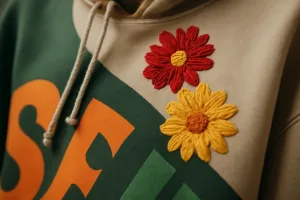
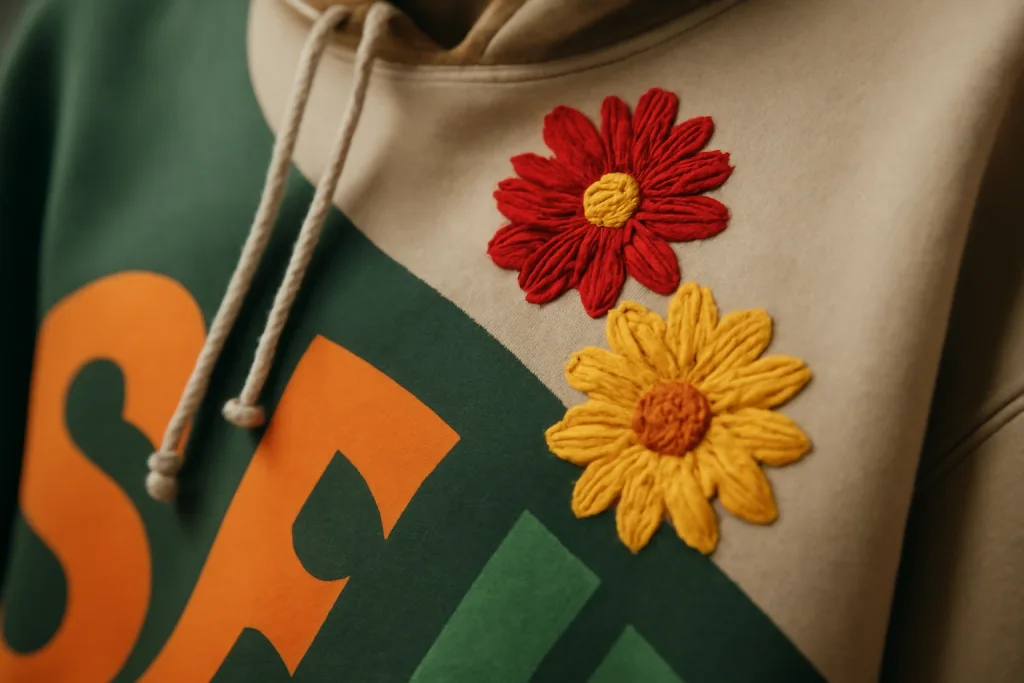
- Embroidery (flat, 3D/puff) elevates logos and is ideal for hats, polos, and premium sweats.
- DTG/DTF works best for small custom runs or complex full-color art.
Request wash and stability tests, especially if using special inks, recycled fibers, or performance coatings. Insist on strict inline and endline checks, referencing AQL or similar standards (ANSI/ASQ Z1.4), to catch issues early.
Mastering Launch Timing and Rhythm
Launching at the right time boosts sales and brand momentum. Most brands spend 4–8 months prepping a first drop. Here’s how to pace each stage:
Map Out the Collection Timeline
- Design and Development: 2–4 months
- Sample and Fit Approval: 2–4 weeks
- Production (Bulk): 1–2 months
- Packing, Shipping, and Prep: 2–3 weeks
- Pre-Launch Marketing: 2–6 weeks overlapping bulk
Sync your launch with buying seasons or key events (e.g., back-to-school, holidays, major golf tournaments).
Pre-Launch Building Blocks
Generate hype early—don’t wait for stock to arrive. Engage your audience with these moves:
- Share sneak peeks: post fabric swatches, close-up details, and moodboards.
- Run limited pre-sales or VIP signups for early access.
- Partner with influencers for first-look content.
- Drop interactive polls to let fans influence colors or name pieces.
Time social teasers and email blasts so excitement peaks just before launch. Drive traffic to waitlists or countdown pages for stronger conversion at go-live.
Smart Limited-Edition and Scarcity Tactics
New brands often use scarcity to build demand and community. Limited collections or numbered pieces make early buyers feel like insiders—if tactics are genuine and product quality matches the promise.
Set Clear Production Limits
- Launch with 100–500 pieces per style for most small brands. This size is affordable, builds urgency, and makes fast restocks possible if demand is higher than planned.
- Display total stock and real-time counts on your selling platform if possible.
- Offer ‘first edition’ labeling or special trims (e.g., woven tags, certificates) for added collector value.
Create Drop Day Excitement
Run limited-time launches, such as 24–48 hour windows, or set strict closing times. Announce special giveaways or gifts for buyers in the first hour. Provide instant live updates on stock and order status to drive fast action. This mix of urgency and transparency attracts attention and rewards early supporters.
First Clothing Collection Launch Plan
A successful first clothing collection launch plan shapes both creative direction and business operations. Here’s a breakdown tailored for first-time founders:
Step 1: Ideation and Research
- Define target audience and market needs.
- Collect inspiration, benchmark competitors, and set brand aspirations.
- Create moodboards and style guides to keep visual language consistent.
Step 2: Design and Sourcing
- Sketch core and supporting apparel items.
- Develop tech packs outlining materials, construction, fit specs, and trims.
- With suppliers like Ninghow Apparel, select sustainable or performance fabrics matched to each SKU (product).
- Order lab dips and strike-offs for color and print approval, reviewing Pantone codes under controlled light.
Step 3: Sampling and Fitting
- Receive prototype samples and evaluate fit, construction, and decoration quality.
- Request graded size sets and fit samples across your range for real-world feedback.
- Approve final samples and confirm all adjustments in a signed-off Pre-Production (PP) sample.
Step 4: Bulk Production and Quality Control
- Establish bulk order details—quantities, ratios by size/color, packaging specs, timelines.
- Request production schedule and follow up on inline QC visuals, endline checks, and AQL reports.
- Measure finished goods against approved spec tables. Run random colorfastness, dimensional change, and durability tests to standards such as ISO 105 and ASTM D1683 when needed.
- Review TOP (Top of Production) samples for final sign-off before release.
Step 5: Logistics, Launch Prep, and Store Setup
- Decide packing format: hangtags, care labels with symbols (ISO 3758), hangers vs. folded, eco polybags or recycled packaging.
- Confirm barcodes, carton markings, export labels, and Incoterms (EXW, FOB, DDP) for smooth delivery.
- Sync logistics to arrive ahead of your pre-launch marketing window.
- Set up your e-commerce shop (Shopify, WooCommerce) or partner retailers. Prepare high-quality, on-model, and product photos that highlight key fabrics, decoration detail, and fit.
Step 6: Launch and Post-Launch Actions
- Go live! Use countdowns, email, and SMS marketing for maximum impact.
- Monitor site traffic, inventory levels, and customer feedback in real time. Fix issues instantly—repeat customers are won at launch.
- Collect learnings for the next season: which styles sold fastest, what feedback comes up, how did your timing play out?
Fabrication, Compliance, and Business Impact
Getting the technical side right saves headache and cost. Work closely with your clothing manufacturer (such as Ninghow Apparel) to balance handfeel, durability, MOQ (minimum order quantity), and price. Better raw materials and finishes cost more but win repeat business through fewer returns and stronger brand value.
Key Testing and Compliance Checks
- Colorfastness: Test to ISO 105-C06/X12 or AATCC 61/8 for wash/rub resistance.
- Dimensional Change: Use AATCC 135/150 to check shrinkage after wash/dry.
- Pilling & Tear Strength: Essential for fleece and knits; refer to ISO 12945 and ASTM D1683.
- Chemical Compliance: Ensure lab tests for lead/phthalate content (CPSIA, REACH, Prop 65) especially for prints or accessories.
Carrying certifications like OEKO-TEX Standard 100 or GOTS organic claims opens new retail and export channels.
Marketing Your First Clothing Drop
Great product needs a smart launch story. Use these tactics to boost visibility and build a loyal audience.
Curate Authentic Content
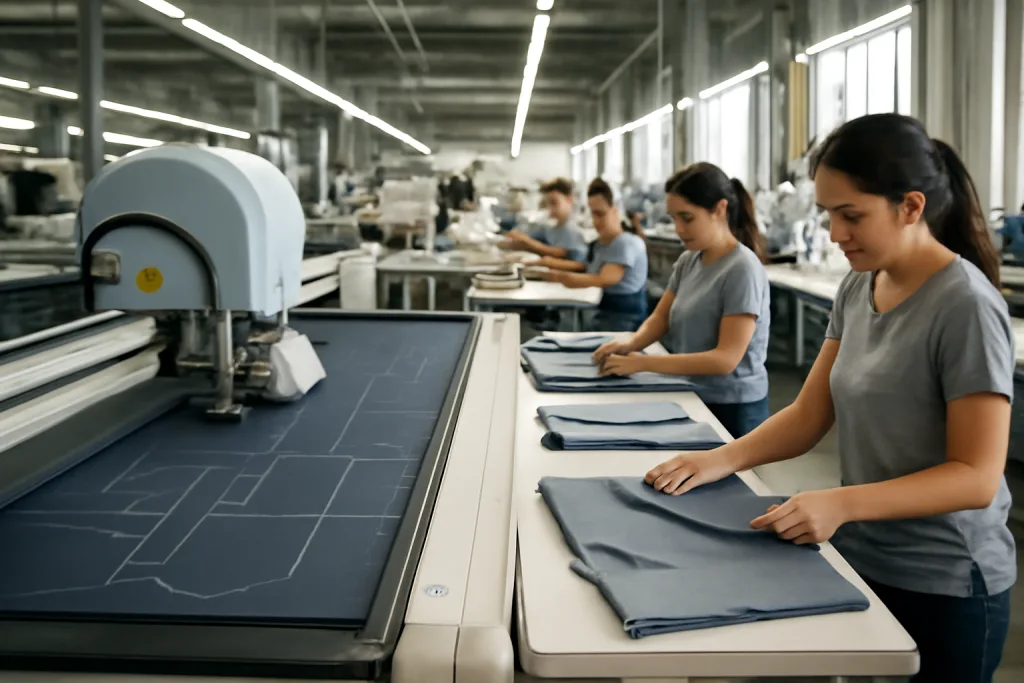
- Behind-the-scenes videos: Fabric sourcing, print/embroidery process, packing lines, final QC checks.
- Styling tips: Show various ways to wear your pieces for work or play.
- User-generated content: Send samples to select followers or micro-influencers and feature their looks.
Stay active on the social platforms where your audience lives—Instagram, TikTok, WeChat, or niche fashion forums. Respond to feedback and celebrate every first-day customer.
Activate Community and Retargeting
- Build a launch email list. Reward signups with early access or unique content.
- Use SMS to alert fans of low-stock or sellout moments.
- Retarget website visitors with reminder ads and incentives after launch day.
- Follow up with surveys or thank-yous to convert first buyers into lifelong customers.
Expert Takeaway: “The brands that last are the ones who balance creative risk with production discipline—and know their audience better than anyone. Your first clothing drop is your biggest introduction. Put the same energy into execution as you do into design.”
Building Momentum Beyond the First Drop
Celebrating a sell-out launch is just the beginning. Use early results to guide restocks, seasonal drops, or new collaborations. Stay nimble—update styles or colors based on customer reviews and fit feedback. Grow your reach by pitching to select boutiques or using pop-ups for hands-on experiences. Each collection builds your reputation if you sustain quality and surprise customers with fresh, well-made ideas every time.
Frequently Asked Questions
How much inventory should I order for my first drop?
Start small: 100–500 pieces per style helps test demand, limit risk, and keeps cash flow healthy. It also creates urgency among early buyers.
How do I pick the right factory partner for my first launch?
Look for manufacturers who work with small MOQs, offer tech pack support, and prioritize quality checks. Brands like Ninghow Apparel are experienced with launches for new brands.
What is a tech pack and why does it matter?
A tech pack is a document detailing every style’s specs: fabric, fit, measurements, trim, colorways, and stitching. It ensures your factory delivers exactly what you designed.
How can I make my first clothing drop stand out?
Unique design, premium materials, and authentic storytelling help your brand break through. Limited quantities, creative packaging, or special extras (like hand-numbered tags) boost exclusivity.
What compliance standards should my clothing meet?
Follow OEKO-TEX or GOTS for safe, sustainable fibers. For Europe/US, ensure compliance with REACH, CPSIA, or Prop 65 for prints and trims. Your factory should help manage testing and documentation.
How long does it take to go from idea to launch?
Most brands need 4–8 months from design to delivery for a first drop. Plan extra buffer for sampling, marketing, and any customs or logistics delays.