

Introduction
Clothing manufacturing is a fascinating blend of art and science, where creativity meets precision to create high-quality apparel. A clothing manufacturer plays a crucial role in turning fashion concepts into tangible products that customers love. From sourcing premium fabrics to the final stitching and packaging, the entire process requires expertise, innovation, and a commitment to quality.
If you’re curious about how garments are made, this guide will walk you through the step-by-step manufacturing process, highlighting the expertise that goes into creating your favorite clothing items.
The Role of a Clothing Manufacturer
A clothing manufacturer is responsible for producing garments on a small or large scale, depending on the client’s needs. They handle every aspect of apparel production, including:
- Designing and prototyping
- Fabric selection and sourcing
- Pattern making and cutting
- Sewing and assembling garments
- Quality control and finishing
- Packaging and distribution
A professional clothing manufacturer ensures that the garments meet high standards while maintaining efficiency, cost-effectiveness, and sustainability.
Why Choose a Professional Clothing Manufacturer?
Choosing a professional clothing manufacturer offers numerous advantages:
✅ Expertise & Experience: Skilled professionals ensure flawless garment production.
✅ Cost Efficiency: Bulk production lowers costs and maximizes profits.
✅ Quality Assurance: Strict quality control ensures premium products.
✅ Customization Options: Brands can create unique, tailored designs.
✅ Scalability: Manufacturers can handle both small and large orders.
Working with a reputable manufacturer eliminates production challenges and ensures that your brand delivers high-quality clothing consistently.
The Clothing Manufacturing Process: A Step-by-Step Guide
Concept & Design Development

Every clothing piece starts with an idea. Designers create sketches, digital mockups, and tech packs detailing fabric choices, stitching methods, and measurements. These guides help manufacturers bring the vision to life accurately.
Sourcing High-Quality Materials
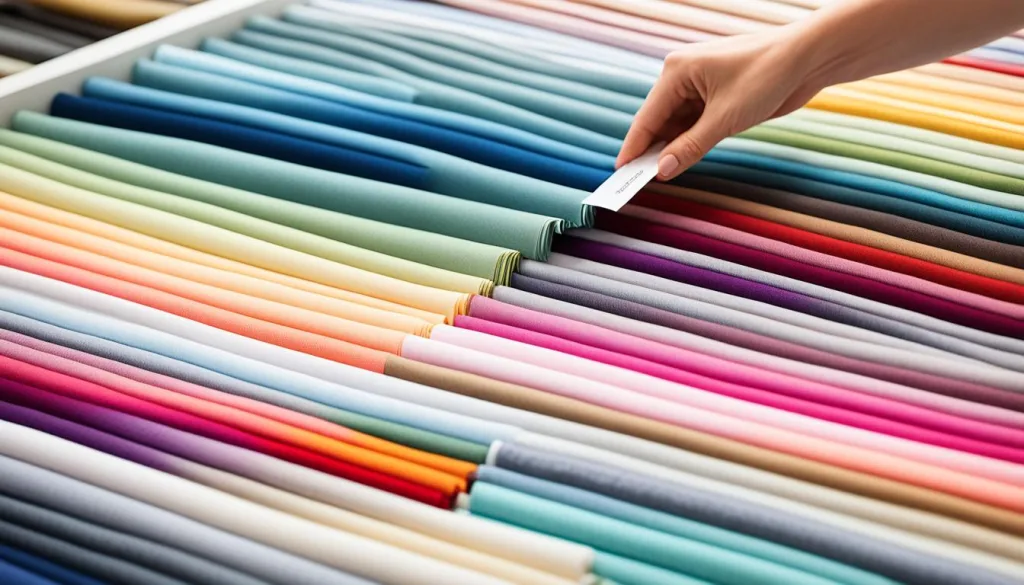
The right fabric defines the comfort, durability, and appeal of the final product. Manufacturers source materials based on:
- Fabric composition (cotton, polyester, blends)
- Sustainability (organic, recycled materials)
- Supplier reliability and ethical sourcing practices
Choosing high-quality fabrics ensures superior garment performance.
Pattern Making & Prototyping

Patterns act as blueprints for cutting fabric. Experienced pattern makers craft templates for each clothing size to ensure a perfect fit. The manufacturer then creates a sample prototype for approval before bulk production.
Cutting & Preparation

Once patterns are finalized, fabrics are precisely cut using automated or manual techniques. Efficient cutting minimizes fabric waste and optimizes material usage.
Sewing & Assembly

Garment pieces are sewn together using industrial-grade machines. Skilled workers ensure clean stitching, reinforced seams, and accurate construction to enhance durability.
Quality Control & Testing

Each garment undergoes rigorous quality checks to ensure:
✅ Seam strength and durability
✅ Accurate measurements and fitting
✅ Color fastness and fabric integrity
Defective items are corrected before moving to the next stage.
Packaging & Branding

Once garments pass quality checks, they receive custom tags, labels, and branding elements. Thoughtful packaging enhances brand identity and presentation.
Bulk Production & Order Fulfillment

Manufacturers manage large-scale production, ensuring that bulk orders are completed on time and shipped efficiently to clients worldwide.
Sustainable Practices in Clothing Manufacturing
Modern clothing manufacturers embrace sustainability by:
♻ Using recycled & organic fabrics
⚡ Implementing energy-efficient machinery
💧 Minimizing water usage and waste
🌿 Supporting ethical labor practices
Sustainability is no longer a trend—it’s a necessity for responsible manufacturing.
Technology & Innovation in Apparel Production
Advancements in automation, AI-driven fabric cutting, and digital prototyping have revolutionized clothing manufacturing. These innovations improve precision, reduce waste, and speed up production timelines.
Why Ninghow Apparel Stands Out as a Leading Clothing Manufacturer
Ninghow Apparel is a trusted clothing manufacturer known for:
🏆 Premium quality production
🌍 Eco-friendly manufacturing processes
🚀 Custom & private label solutions
📦 Timely deliveries & bulk order management
Our expertise and commitment to excellence make us the ideal partner for brands looking to scale their clothing business.
Frequently Asked Questions (FAQs)
What does a clothing manufacturer do?
A clothing manufacturer handles fabric sourcing, garment production, quality control, and order fulfillment.
How long does clothing manufacturing take?
Production timelines vary but typically range from 4 to 12 weeks, depending on order complexity.
Can I customize designs with a clothing manufacturer?
Yes! Many manufacturers offer private label services, allowing you to create custom designs.
What is the minimum order quantity (MOQ) for manufacturing?
MOQ depends on the manufacturer, ranging from 50 to 1,000 pieces per design.
How do manufacturers ensure clothing quality?
They conduct multiple quality checks, including stitching inspections, fabric testing, and final garment reviews.
Is sustainable clothing manufacturing possible?
Yes! Many manufacturers prioritize eco-friendly fabrics, ethical labor, and energy-efficient production.
Conclusion
The clothing manufacturing process is a blend of creativity, craftsmanship, and technology, ensuring that brands receive high-quality, market-ready garments. Choosing a reliable clothing manufacturer like Ninghow Apparel guarantees exceptional quality, sustainability, and timely delivery.
Looking for a trusted clothing manufacturer?
📩 Contact Ninghow Apparel today to discuss your custom clothing needs! 🚀