
Pillar Content: Private Label Clothing Manufacturer
Why Rebranding Matters in the Fashion Industry
Fashion is an industry defined by constant change. Trends evolve, customer expectations shift, and market competition increases. For established clothing brands, rebranding isn’t a failure—it’s a strategic move to stay relevant, reach new audiences, and improve profitability.
Whether you want to modernize your image, enter a new market, or upgrade quality, working with a private label clothing manufacturer can streamline the rebranding process.
Signs It’s Time to Rebrand Your Clothing Business
You might need to rebrand if:
- Sales are declining despite marketing efforts
- Your target market has shifted
- Competitors feel more modern and relevant
- Your logo, packaging, or styles look outdated
- Customer feedback shows confusion about your brand identity
Rebranding with a private label partner can breathe new life into your product line and messaging.
What Is Private Label Manufacturing?
Private label manufacturing allows you to sell clothing produced by a third party under your own brand. Unlike white label, private label offers customization in:
- Design
- Fabrics
- Colors
- Trims and tags
The manufacturer handles production; you control brand identity. This is perfect for fashion brands that want to relaunch with fresh, exclusive styles.
How Private Label Helps Support a Rebranding Strategy
Private label partners provide:
- Design flexibility to reflect new brand values
- Scalable production to match new growth goals
- Speed to market with ready infrastructure
- Quality control that enhances premium positioning
This allows you to focus on creative direction, branding, and marketing without worrying about in-house production.
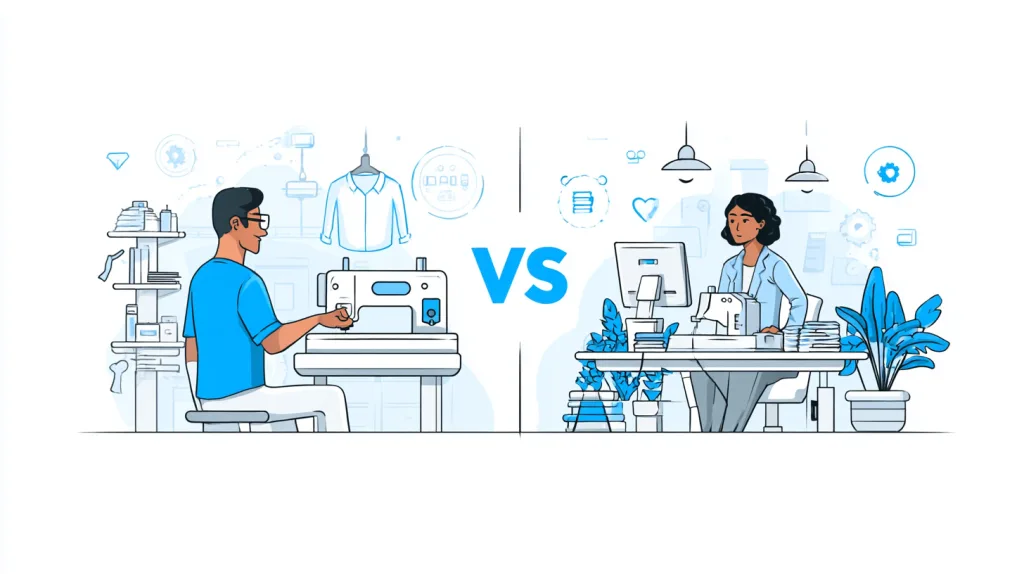
The Difference Between OEM and Private Label in Fashion
| Feature | Private Label | OEM (Original Equipment Manufacturing) |
|---|---|---|
| Design Ownership | Semi-custom or co-developed | Fully custom by client |
| Speed | Faster | Slower |
| Cost | Moderate | Higher |
| Ideal For | Brand relaunches | Technical or patented designs |
Private label is ideal for rebrands where visual identity and product updates matter more than technical innovation.
Building a New Brand Identity Through Product Design
Rebranding isn’t just about logos. Your product must reflect your new direction:
- Switch to sustainable fabrics to target eco-conscious buyers
- Update fits to align with modern silhouettes
- Use trend forecasting to build relevance
Work with your manufacturer’s design team to match your vision.
How to Choose a Private Label Clothing Manufacturer
Look for:
- Experience with rebrands
- Flexible MOQ policies
- Clear communication and sample process
- Portfolio showcasing modern fashion execution
Ninghow Apparel, for example, specializes in helping brands rebrand through agile private label production.
Rebranding Process: From Moodboard to Market
- Audit your current brand: What works? What needs to go?
- Define your new identity: Mission, aesthetic, audience
- Create a new moodboard and design brief
- Choose new product categories or upgrade current ones
- Partner with a manufacturer to bring your new ideas to life
- Test samples and finalize details
- Plan your launch timeline and marketing campaigns
Private label manufacturing supports this process by offering flexible timelines and creative input.
Customization Options Available with Private Labeling

Even within standard patterns, rebranding can shine through:
- Unique color palettes
- Upgraded fabric choices (organic cotton, modal, etc.)
- Signature stitching or trims
- Subtle monograms or logos
This helps reposition your brand without overwhelming your budget.
Updating Labels, Tags, and Packaging for a New Look
Your rebrand should reflect in:
- Woven neck labels
- Custom hang tags
- Branded polybags or boxes
- Eco-packaging that aligns with values
Private label manufacturers usually provide these services in-house or via partners.
Working with Your Manufacturer on Quality and Fit Consistency
You may be rebranding because of past quality issues. Now is the time to:
- Review measurements and fits
- Choose premium materials
- Request third-party testing or quality checks
This is critical to building trust with your new customer base.
How to Manage Inventory During a Brand Relaunch
- Sell old inventory at a discount or donate
- Phase out old SKUs while soft-launching the new brand
- Avoid over-ordering on the first production
A trusted private label partner can help you forecast volumes and manage batch delivery.
Marketing Your Rebrand: What to Tell Customers
Be transparent:
- Share your reasons for rebranding (e.g. sustainability, improved quality)
- Highlight what’s changed and what remains
- Use email, social media, and press releases to relaunch your story
Turn your transformation into a selling point.
Avoiding Common Pitfalls During Fashion Rebranding
- Changing too much too fast
- Ignoring loyal customer feedback
- Poor sample approval process
- Inconsistent visual messaging
Work closely with your manufacturer and creative team to ensure alignment.
Case Study: A Fashion Brand Rebrands with Private Label Success

A women’s loungewear brand struggled with low retention. They rebranded with Ninghow Apparel, focusing on elevated basics made from bamboo cotton blends. With a new color palette, improved fit, and updated packaging, the brand saw a 60% increase in return customer rate within 6 months.
Why Ninghow Apparel Is a Trusted Private Label Partner for Rebrands
Ninghow Apparel provides:
- Design-to-delivery guidance
- Low MOQ for testing new concepts
- Sustainable material options
- Fast sampling turnaround
We help brands relaunch with confidence and clarity.
Future-Proofing Your Brand After the Relaunch
Once you rebrand:
- Stay consistent with your new values
- Collect customer feedback continuously
- Plan seasonal updates with your manufacturer
- Consider expanding into new markets or categories
A successful rebrand with private label is not the end, but the beginning of sustainable growth.
Frequently Asked Questions (FAQ)
1. What’s the difference between rebranding and refreshing a brand?
Rebranding is a full transformation (logo, messaging, product). Refreshing is minor updates without changing core identity.
2. How long does it take to rebrand with a private label manufacturer?
Typically 2 to 4 months depending on design complexity and sample approval.
3. Do I need to trademark again after rebranding?
If your logo or brand name changes significantly, reapply or update your trademark records.
4. Can I use private label for only part of my collection?
Yes. Many brands use private label for capsule launches or premium lines.
5. How much customization is possible with private label?
Most manufacturers allow semi-customization: fabric choice, colors, trims, labeling, and minor pattern tweaks.
6. What is the MOQ when rebranding through private label?
Varies by manufacturer, but Ninghow Apparel supports low MOQ to support testing and phased relaunches.
Conclusion
Rebranding with a private label clothing manufacturer is a strategic way for fashion brands to evolve without reinventing the wheel. With the right partner, your relaunch can unlock new growth, attract fresh audiences, and modernize your identity.