
In the ever-evolving custom apparel industry, understanding the differences between OEM, ODM, and private label t shirt manufacturers is essential for brands, startups, and entrepreneurs aiming to scale strategically. Whether you’re developing a full product from scratch or looking for pre-designed options to brand as your own, choosing the right manufacturing model can directly impact your timeline, cost, and creative control.
This article breaks down each production model, explores real-world use cases, and provides tips for choosing the best approach — especially if you’re seeking a trusted t shirt OEM manufacturer or a reliable private label t shirt manufacturer.
What is OEM (Original Equipment Manufacturer)?

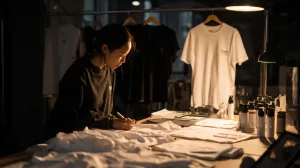
OEM means the manufacturer produces t-shirts based strictly on your custom design and specifications. This is the most personalized and detailed approach.
Key Features of OEM:
- You provide a complete tech pack, including fabric type, color codes, measurements, artwork, and construction details.
- The manufacturer follows your instructions precisely.
- All branding, packaging, and labeling are custom.
Best For:
- Fashion brands with in-house design teams
- Apparel startups launching original styles
- Sportswear and functional clothing with specific performance needs
Pros:
- Total design freedom
- Unique, brand-exclusive styles
- Stronger brand differentiation
Cons:
- Higher development cost per style
- Longer lead time (sampling and refinement required)
What is ODM (Original Design Manufacturer)?
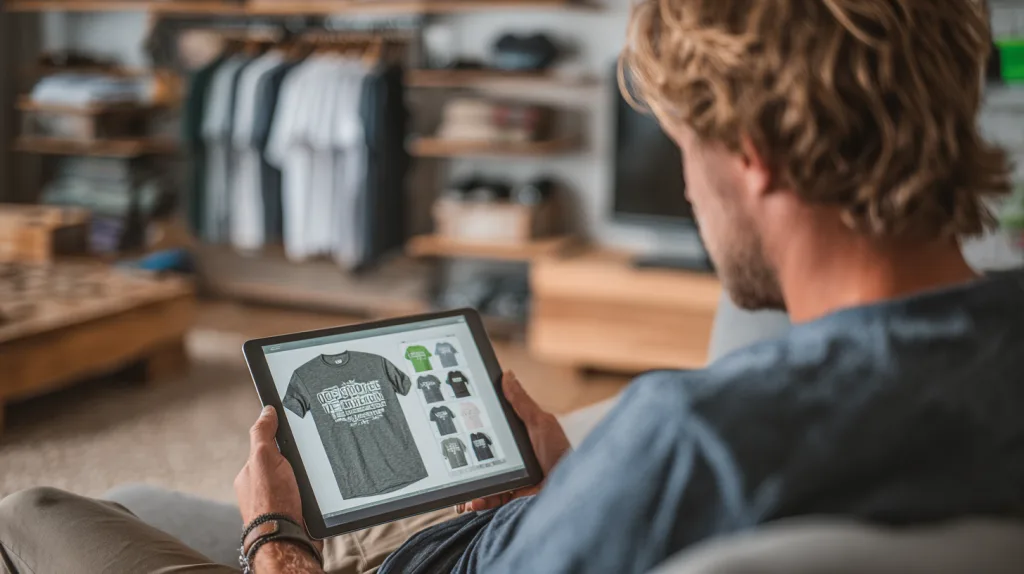
ODM manufacturers provide ready-made designs that you can modify slightly and brand as your own. This model is a hybrid between full customization and private label.
Key Features of ODM:
- Choose from the manufacturer’s existing t-shirt templates
- Customize prints, colors, or trims
- Use your own branding and packaging
Best For:
- Fast fashion or seasonal brands
- Limited edition or trend-based drops
- Companies testing new markets quickly
Pros:
- Faster time-to-market
- Lower sampling costs
- Lower minimum order quantities (MOQs)
Cons:
- Limited uniqueness
- Design may be offered to other brands too
What is Private Label Manufacturing?
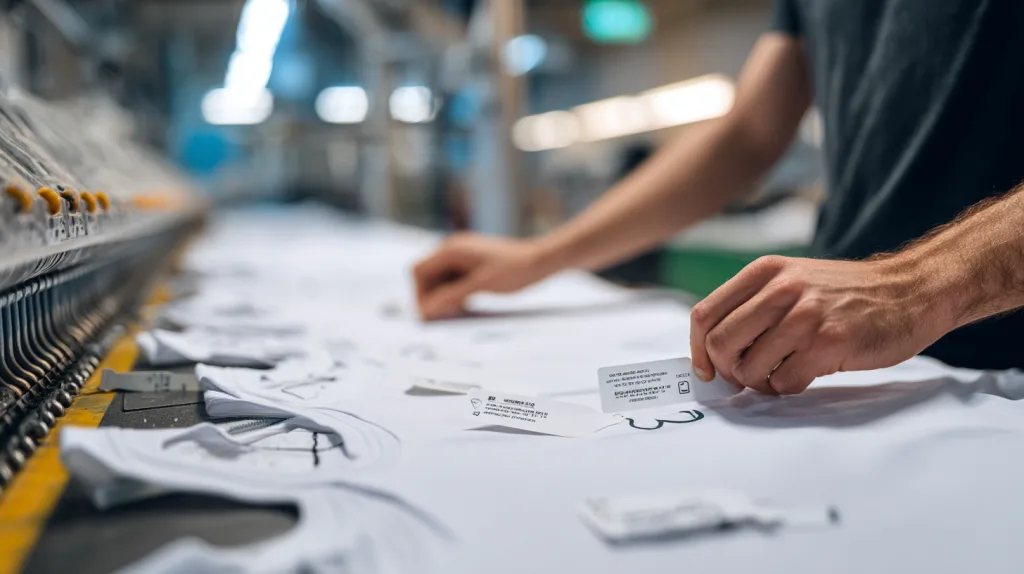
A private label t shirt manufacturer produces unbranded t-shirts in bulk that you can rebrand with your logo or tags. These are typically white-label products ready for quick distribution.
Key Features of Private Label:
- Pre-manufactured garments
- Add your own brand labels and tags
- Minimal or no design input
Best For:
- Influencer or merchandise brands
- E-commerce sellers with fast turnaround needs
- Promotional apparel (events, giveaways)
Pros:
- Fastest production turnaround
- Lowest development cost
- Low risk for new sellers
Cons:
- No product differentiation
- Less control over materials and design
Quick Comparison Table
| Feature | OEM | ODM | Private Label |
|---|---|---|---|
| Design Ownership | Fully Yours | Shared Template | None |
| Speed to Market | Slowest | Moderate | Fastest |
| Customization | Full | Partial | Minimal |
| MOQ | Medium–High | Medium | Low |
| Cost per Unit | Highest | Moderate | Lowest |
| Best for | Original Brands | Trend-Based Brands | Fast-Selling Merch |
Which T Shirt Manufacturing Model Is Right for You?
Choosing the right model depends on your brand’s stage, goals, and budget:
Choose OEM If:
- You have a strong brand identity and original designs
- You’re creating functional, technical, or performance-focused t-shirts
- You’re planning to scale a signature style long-term
Choose ODM If:
- You want speed and moderate customization
- You’re experimenting with new SKUs or seasonal collections
- Your budget doesn’t allow for full OEM development
Choose Private Label If:
- You need a quick launch with minimal design needs
- You’re focusing on cost-efficiency and speed
- Your brand relies on marketing and community more than product uniqueness
Real-World Use Cases
Case 1: OEM for a Sportswear Startup
A fitness apparel brand in Europe approached Ninghow Apparel with a detailed tech pack for moisture-wicking performance t-shirts. Using our OEM model, we developed custom samples, sourced their preferred fabric, and implemented seamless branding — resulting in a unique, high-quality product line that helped them raise pre-orders.
Case 2: ODM for a Summer Capsule Collection
A lifestyle label in Los Angeles chose from Ninghow’s existing shirt templates, modified colors and artwork, and launched a summer drop within 30 days. This ODM route helped them stay trend-relevant and reduce risk.
Case 3: Private Label for E-Commerce Sellers
An influencer team needed fast turnaround for their merch store. They used our stock-ready private label shirts, added woven neck labels and eco-friendly packaging, and restocked within a week — maximizing their campaign timeline.
Tips for Working with a T Shirt OEM or Private Label Manufacturer
- Clarify Your Priorities: Speed, customization, or budget — which matters most?
- Start with Low MOQ Options: Especially for new brands or test runs.
- Request Samples Early: Check quality before committing to bulk.
- Communicate Clearly: Share detailed expectations and timelines.
- Partner with Flexible Manufacturers: Like Ninghow Apparel, who offer OEM, ODM, and private label under one roof.