
Introduction
In the fast-paced fashion industry, clothing prototype makers play a crucial role in transforming creative ideas into tangible garments. Whether you’re a budding designer or an established brand, developing an apparel prototype is an essential step before mass production. Without proper prototyping, design flaws, fabric inconsistencies, and sizing issues can go unnoticed, leading to costly mistakes.
But what exactly do clothing prototype manufacturers do, and how can they help you create high-quality, well-fitted apparel? Let’s dive into the world of prototype clothing and explore why it’s a game-changer for the fashion industry.
What Are Clothing Prototype Makers?

Clothing prototype makers are professionals or companies that specialize in creating apparel prototypes—the first physical sample of a garment before full-scale production. Their main role is to ensure that a design is practical, wearable, and production-ready.
They work closely with designers, fashion brands, and manufacturers to perfect elements like:
- Fit and sizing
- Fabric selection
- Stitching techniques
- Design details
- Overall garment construction
By working with clothing sample makers, designers can refine their products and make necessary adjustments before committing to large-scale production.
Why Clothing Prototype Makers Are Essential for Custom Fashion
Whether you’re launching a new fashion label or producing a limited collection, working with apparel prototype manufacturers ensures that your final product meets the highest quality standards. Here’s why they are indispensable:
- Quality Control:Prototypes allow brands to check fabric durability, stitching, and construction before large-scale production.
- Cost Reduction:Fixing design errors early prevents expensive mistakes later.
- Time Efficiency:A well-made prototype speeds up the production process.
- Brand Reputation:High-quality samples set the standard for the final product, ensuring customer satisfaction.
Types of Apparel Prototypes

Not all prototypes serve the same purpose. Here are the main types used in the industry:
Fit Samples
These prototypes test the garment’s fit and comfort before finalizing the design.
Production Samples
A pre-production sample ensures the manufacturer can replicate the design at scale.
Sales Samples
Created for marketing purposes, these samples are used to showcase the design before full production begins.
Pre-Production Samples (PPS)
A finalized version of the garment used to confirm materials, colors, and construction details.
How to Choose the Best Clothing Prototype Makers
Selecting the right clothing prototype manufacturers can make or break your fashion project. Consider these factors when choosing a sample maker:
- Experience and expertise– Look for professionals with a strong portfolio in your specific niche.
- Material sourcing capabilities– Can they access quality fabrics?
- Turnaround time– Ensure they meet your deadlines.
- Cost and budget compatibility– Compare pricing across different manufacturers.
- Communication and reliability– Clear communication is essential to avoid misunderstandings.
The Process of Creating an Apparel Prototype
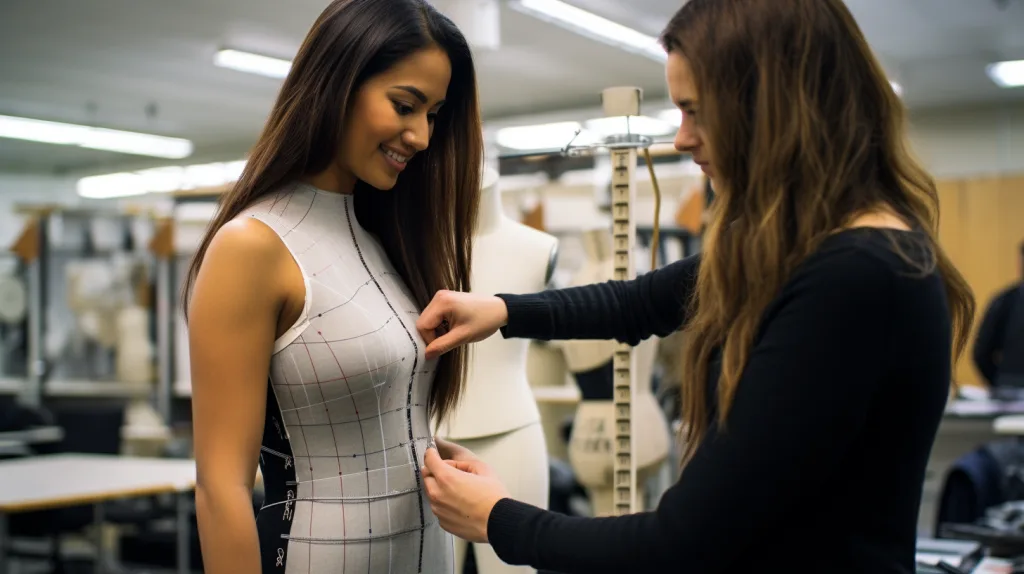
The journey from concept to prototype involves several stages:
- Sketching & Concept Development– Designers create an initial blueprint.
- Pattern Making– The sample maker translates sketches into a functional pattern.
- Fabric Selection– Choosing the right material based on texture, weight, and durability.
- Prototype Assembly– Sewing and assembling the first sample.
- Testing & Adjustments– Checking fit, comfort, and quality before finalizing.
Clothing Prototype Makers vs. Mass Production Manufacturers
While mass production manufacturers focus on large-scale garment production, clothing prototype makers specialize in refining and perfecting designs before they hit the factory floor. The key differences include:
| Factor | Prototype Makers | Mass Production Manufacturers |
| Purpose | Testing and refining designs | High-volume production |
| Customization | High | Limited |
| Production Scale | Small batch or single unit | Thousands of pieces |
| Timeframe | Flexible | Strict deadlines |
Sustainable and Ethical Prototype Garment Production
Sustainability is a growing concern in the fashion industry, and many garment sample makers now offer eco-friendly options. These include:
- Organic and recycled fabrics
- Ethical labor practices
- Minimal waste production techniques
Future Trends in Clothing Prototyping
With advancements in technology, prototype fashion is evolving rapidly. Some emerging trends include:
- 3D Printing:Speeds up prototyping by creating samples digitally.
- AI in Pattern Making:Improves accuracy and reduces waste.
- Virtual Prototyping:Allows designers to test fit and movement digitally before physical samples are made.
Conclusion
Working with clothing prototype makers is a crucial step in developing a successful fashion line. By ensuring the quality, fit, and functionality of a design before mass production, brands can reduce costs, maintain quality, and bring their creative visions to life. Whether you’re an independent designer or an established fashion house, investing in expert apparel prototype manufacturers will set you up for success.