


NINGHOW APPAREL / PRODUCTS
Custom sweatshirts and pullovers, from neckline to hem.
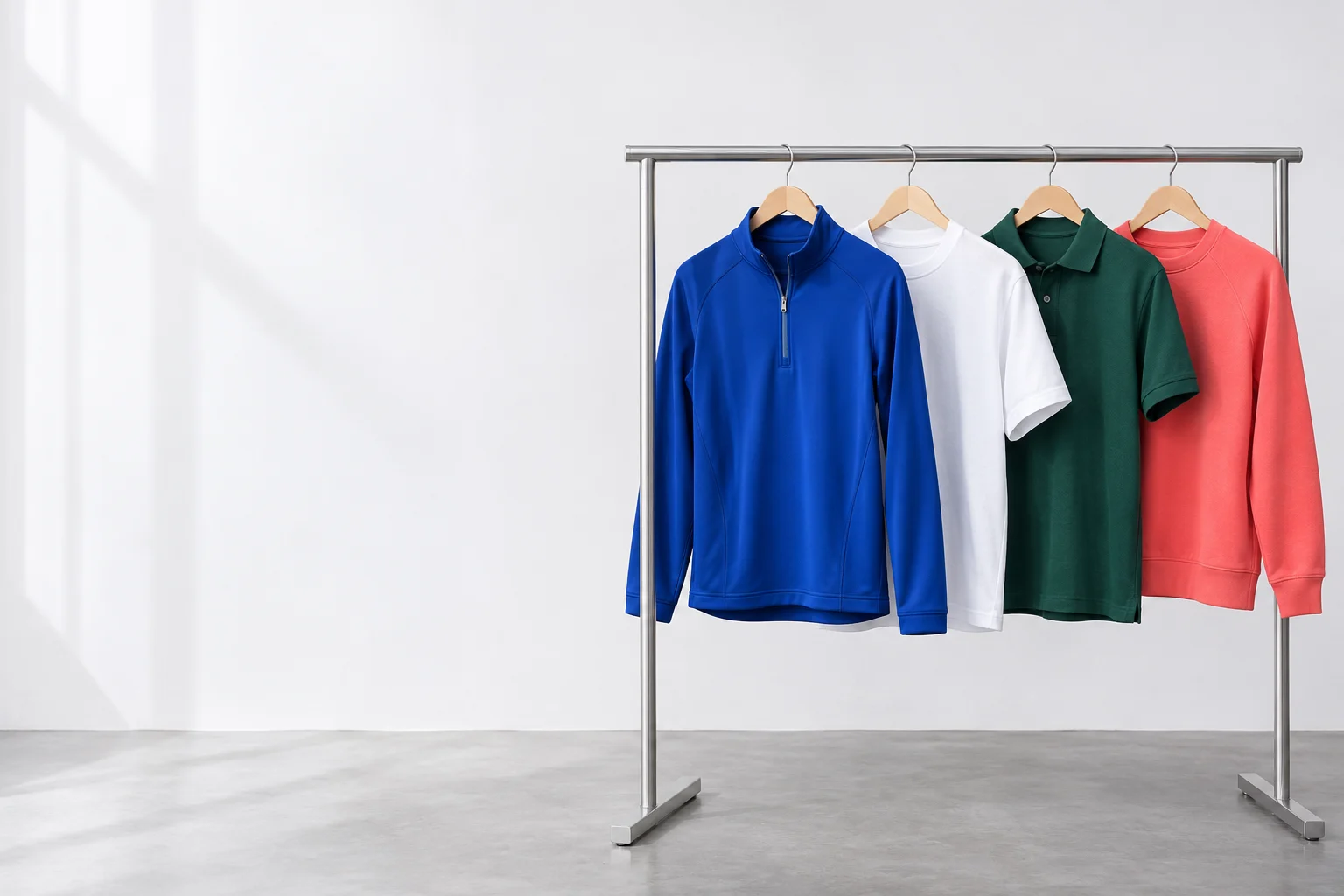
Develop crewnecks, quarter-zips and fleece or performance-oriented pullovers with Ninghow Apparel. Define the collection role, silhouette and material before moving into samples and bulk planning.

FABRIC / FIT / FINISH
FORMAT / WEARING ROLE
Choose the opening. Then specify the fabric.
Fashion, sportswear, club and wholesale programs can need different balances of appearance, climate, movement and target price.
01
Crewneck
Set regular, relaxed or oversized proportions, sleeve shape, rib dimensions and decoration areas.
02
Quarter-zip
Define collar height, zipper length, hem finish and sleeve mobility over the intended base layer.
For either format, define the fleece or performance material direction, surface, weight and wearing purpose. Warmth, breathability and moisture claims need product-specific evidence.
MATERIAL / CONSTRUCTION
Three surfaces. One connected specification.
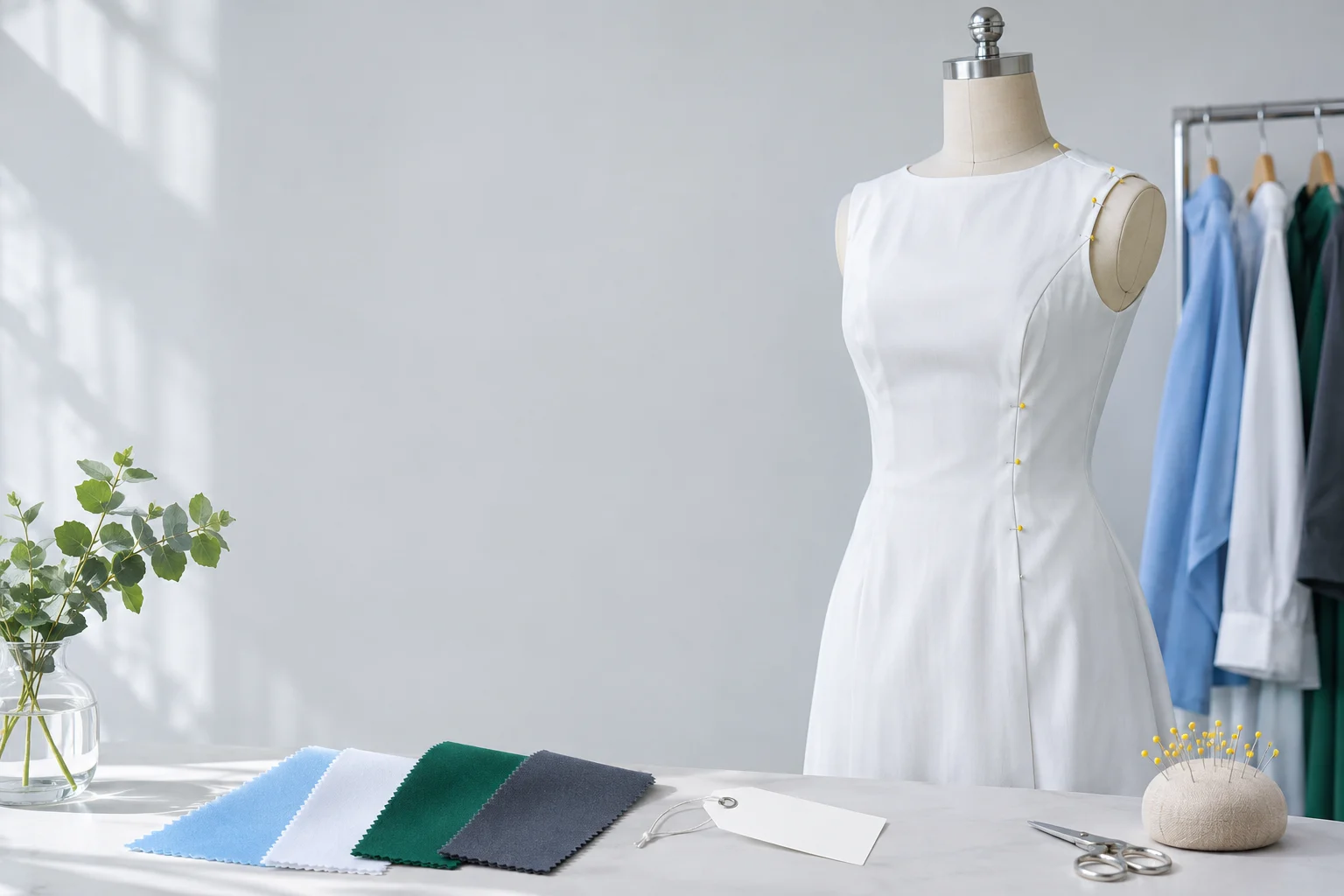
Confirm composition, knitted or woven construction, weight, stretch, hand feel, finish and color standard. Cotton, polyester, blends and fleece are material directions to discuss, subject to availability.

A
Rib cuff
B
Joining seam
C
Looped inner surface
A / Rib cuff
B / Joining seam
C / Looped inner surface
01
Body and rib
Agree their dimensions, appearance and compatibility; specify cuffs and hem separately.
02
Material evidence
Request relevant composition, pilling, colorfastness and dimensional-stability information. Use the fabric guide to organize requirements.
COLLAR / CLOSURE
A quarter-zip adds decisions beneath the surface.

Include collar facing, zipper tape, closure finish, sleeve movement and panel layout in the drawing. Confirm component colors, availability and tolerances through fabric and trim sourcing.
A
Measure the whole garment
Record chest, shoulder, body and sleeve lengths, cuff and hem dimensions, size range and grading needs.
B
Resolve development terms
Agree fit revisions, grading scope and pattern ownership. Original concepts can start with OEM/ODM development.
REFERENCE → REVIEW → APPROVAL
Compare samples against a recorded fit direction.
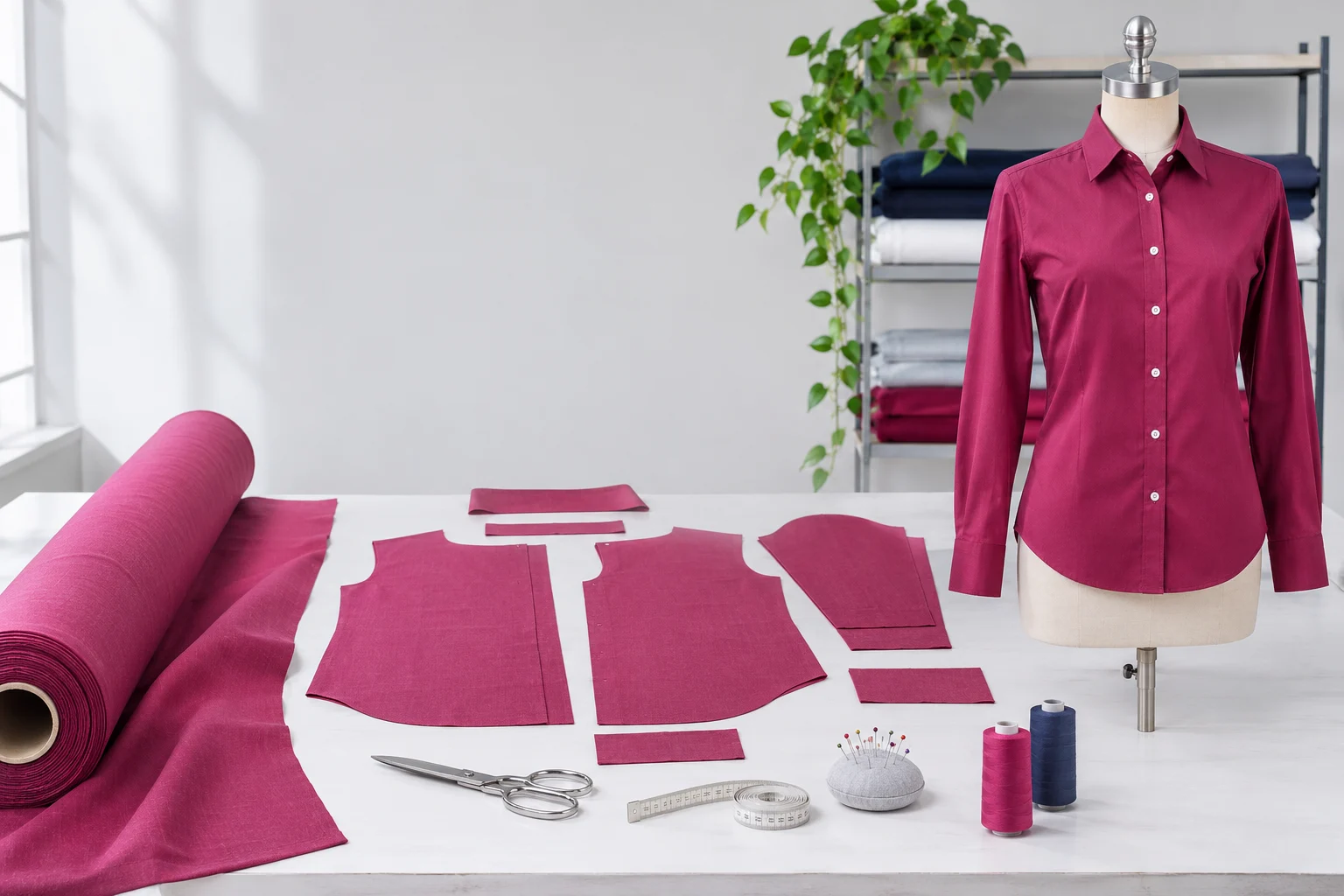
Share a reference garment, sketches or tech pack. Confirm sample charges, revision limits, approval records, timing and shipping before work begins.

01
Define
Bring measurements, material requirements, color standards and requested sample sizes.
02
Review
Assess proportions, sleeves, cuffs, hem, hand feel and decoration against the brief.
03
Approve
Record changes and the approved specification before bulk feasibility review.
ARTWORK / LABEL / PACKING
Make the brand details part of the garment brief.

Agree artwork dimensions, placement, colors and tolerances for the selected material. Compare decoration methods before approval.
01
Logo application
Review embroidery, screen printing or heat transfer for surface and construction compatibility.
02
Label information
Specify neck, care and other woven or printed labels, their content and placement.
03
Presentation
Define hangtags, folding, packaging formats, carton information and applicable minimums.
BEFORE BULK
Agree the order around the approved version.
Have the specifications ready? Request a pullover quotation.
QUANTITY
Confirm availability and timing
MOQ, sample and bulk schedules depend on style, fabric, colors, trims and approvals; repeat orders also depend on material availability and scheduling.
ACCEPTANCE
Set the inspection reference
Agree incoming, in-process, measurement, visual and pre-shipment checks against sample, color, artwork and packing instructions. Confirm tolerances, AQL, tests, third-party inspection and relevant records.
DELIVERY
Complete the commercial brief
Confirm destination, shipping method and commercial terms. A defined brief can proceed to quotation; unresolved construction questions suit technical consultation.
YOUR NEXT STEP
Give your next layer a clear specification.
Send the format, fit reference, fabric direction and branding files. Include quantities by style and color, sizes, destination and target timing.