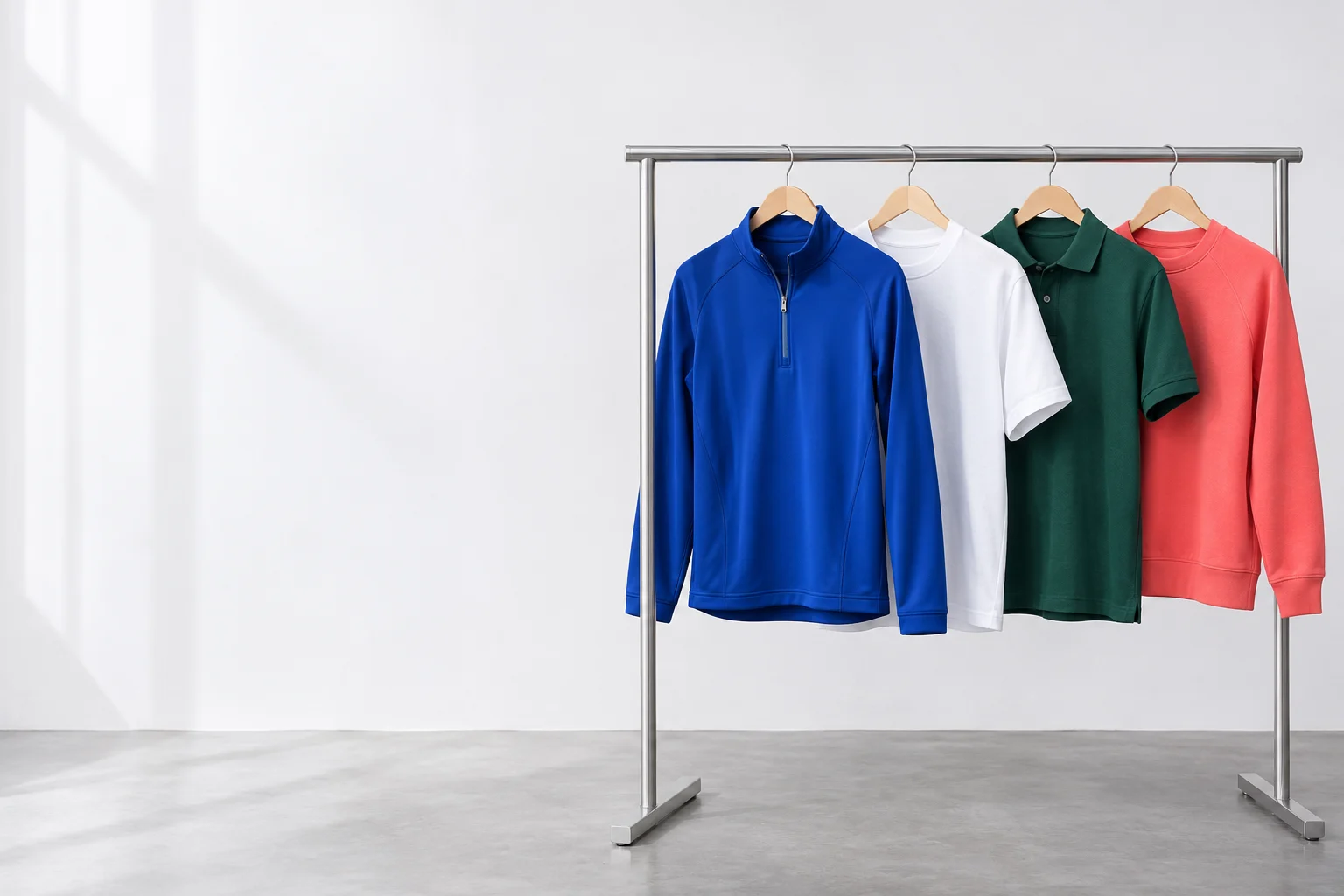





When it comes to choosing between wool and cotton, the debate often boils down to personal preference, purpose, and the environment. Both materials are natural, versatile, and widely used in textiles, yet their unique properties cater to distinct needs. Understanding the differences between wool vs cotton can help you make informed decisions, whether you’re shopping for clothing, bedding, or home décor.

Introduction
The wool vs cotton debate is as old as the textile industry itself. Wool, a protein-based fiber derived from animals like sheep, is prized for its warmth and resilience. On the other hand, cotton, a plant-based fiber, is celebrated for its softness, breathability, and hypoallergenic properties. Choosing the right fabric often depends on your lifestyle, environmental concerns, and even personal comfort levels. But which material reigns supreme? Let’s delve into their key attributes and uses.
Wool vs Cotton: Key Characteristics
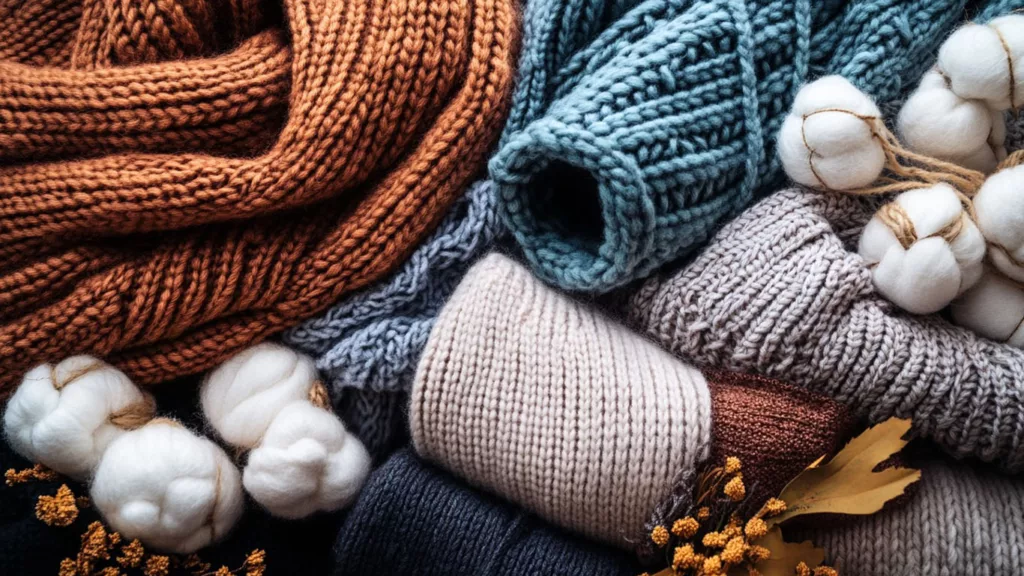
Wool and cotton may appear similar in some contexts, but their fundamental differences stem from their origins. Wool, sourced from animals, offers natural insulation and water resistance. Cotton, grown from plants, provides lightweight comfort and absorbency.
Durability and Longevity
Wool is inherently more durable than cotton due to its elastic and crimped fibers. It resists wear and tear, making it a long-lasting choice for items like sweaters, suits, and rugs. Cotton, while soft and pliable, is prone to shrinking and tearing over time, especially if not cared for properly.
Comfort and Wearability
Cotton excels in providing everyday comfort. It’s lightweight, breathable, and perfect for warm climates. Wool, with its superior insulation, is ideal for colder environments but can feel itchy for some wearers, depending on the type. Modern processing, however, has introduced softer wool blends, making this less of an issue.
Thermal Properties: Wool vs Cotton
Wool is a master of temperature regulation. It traps heat in cold weather while allowing moisture to evaporate, keeping you dry. Cotton, while breathable, lacks the same insulating properties, making it less effective in extreme cold.
Moisture Management
One of wool’s standout features is its ability to wick moisture away from the body. This makes it ideal for activewear and outdoor gear. Cotton, on the other hand, absorbs moisture and dries slowly, which can be uncomfortable during physical activities or humid conditions.
Environmental Impact
The sustainability of wool vs cotton depends largely on farming practices. Wool, being biodegradable and renewable, often edges ahead in terms of eco-friendliness. However, cotton farming consumes significant water resources and often involves pesticides, though organic cotton provides a more sustainable option.
Allergies and Skin Sensitivity
Cotton’s hypoallergenic nature makes it a favorite for those with sensitive skin. Wool, particularly untreated or coarse varieties, can trigger irritation in some individuals. Choosing fine merino wool or blends often mitigates this issue.
Uses in Home Décor: Wool vs Cotton
Wool rugs, throws, and upholstery bring a luxurious feel to interiors, offering warmth and durability. Cotton, meanwhile, shines in bedsheets, curtains, and lightweight furnishings due to its softness and versatility.
Affordability and Accessibility
Cotton is generally more affordable and accessible compared to wool. Its widespread cultivation and simpler processing contribute to lower costs. Wool, particularly high-quality types like cashmere or alpaca, often commands a premium.
Care and Maintenance
Wool requires careful handling. Washing wool improperly can lead to shrinkage or felting, so dry cleaning is often recommended. Cotton is more forgiving, with most items being machine washable.
Sustainability in Wool vs Cotton
The ecological footprint of wool vs cotton is a hot topic. Wool biodegrades more quickly and enriches soil. Cotton’s heavy water use is a drawback, but innovations in organic and recycled cotton are narrowing the gap.
The History Behind Wool and Cotton
Wool has been used for thousands of years, symbolizing warmth and wealth in ancient cultures. Cotton, with its roots in the Indus Valley Civilization, was revered for its softness and usability.
Wool vs Cotton in Outdoor Gear
Wool dominates outdoor gear with its insulating and moisture-wicking properties. Cotton, though breathable, is less suited for extreme conditions due to its tendency to retain moisture.
Ethical Considerations
When comparing wool vs cotton, ethics come into play. Wool farming can involve animal welfare concerns, while cotton production has been tied to labor issues. Consumers seeking ethical options should research certifications like Fair Trade or Responsible Wool Standard.
FAQs
What is better for winter, wool or cotton?
Wool is better suited for winter as it provides superior insulation and moisture management.
Is wool itchy compared to cotton?
Some types of wool can feel itchy, but softer varieties like merino are comfortable for most people. Cotton is universally soft and gentle on the skin.
How does wool handle moisture compared to cotton?
Wool wicks moisture and dries quickly, making it ideal for activewear. Cotton absorbs moisture, which can lead to discomfort in humid conditions.
Is cotton more sustainable than wool?
Cotton has a larger environmental footprint due to water usage, but organic cotton offers a greener alternative. Wool, being biodegradable and renewable, is often seen as more sustainable.
What is more affordable, wool or cotton?
Cotton is generally more affordable than wool, especially high-quality wool like cashmere.
Can wool and cotton be blended?
Yes, wool and cotton blends combine the best of both fabrics, offering warmth, softness, and durability.
Conclusion
Choosing between wool and cotton depends on your specific needs and preferences. Wool stands out for its insulation, durability, and moisture management, making it perfect for colder climates and outdoor gear. Cotton, with its softness, breathability, and affordability, excels in everyday comfort and warm weather. Understanding the strengths and weaknesses of wool vs cotton empowers you to make the right choice for your lifestyle.