


NINGHOW APPAREL / MANUFACTURING
Review the production route behind your garment.
For sourcing teams evaluating facilities and supplier responsibilities, the useful starting point is the actual order. Ninghow Apparel is a family-owned manufacturer operating its own factories, connecting development, sampling, sourcing, production and export assistance.
PROCESS / RESPONSIBLE PARTY / RECORD
Ask who owns each stage of the work.
Review construction, quantity, decoration, inspection and packing before agreeing the production route. Explore the company manufacturing network and production process for related context.
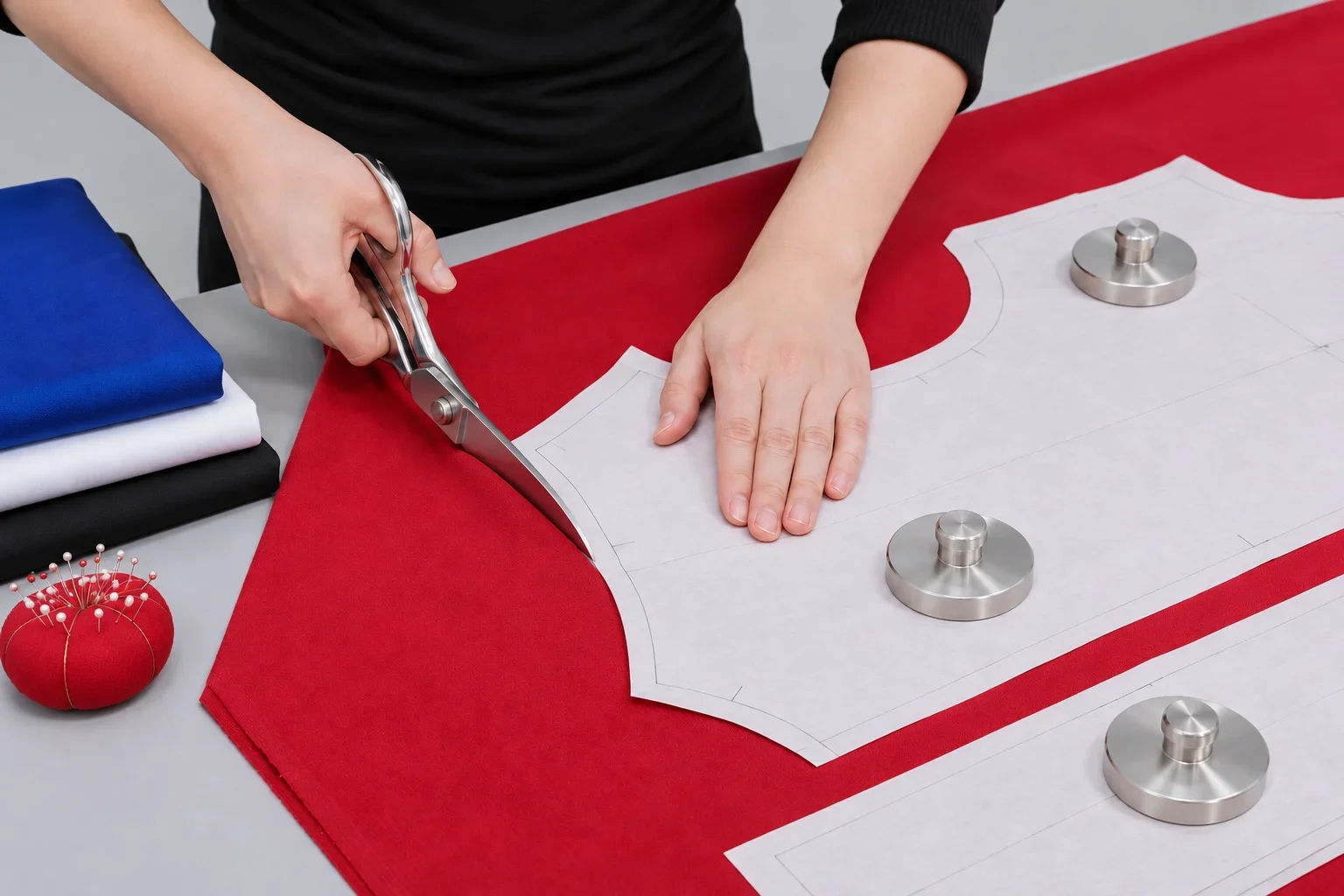
DEVELOPMENT
Who controls the product reference?
Confirm pattern and specification responsibility, sample approval and the accepted revision record.
PRODUCTION
Where is the garment made?
Identify which of our own facilities handles cutting, sewing and decoration for the order, and which team coordinates the work.
QUALITY
Who checks and releases the work?
Agree inspection locations, responsible parties, acceptance criteria, corrective action and release authority.
DISPATCH
Who prepares the shipment?
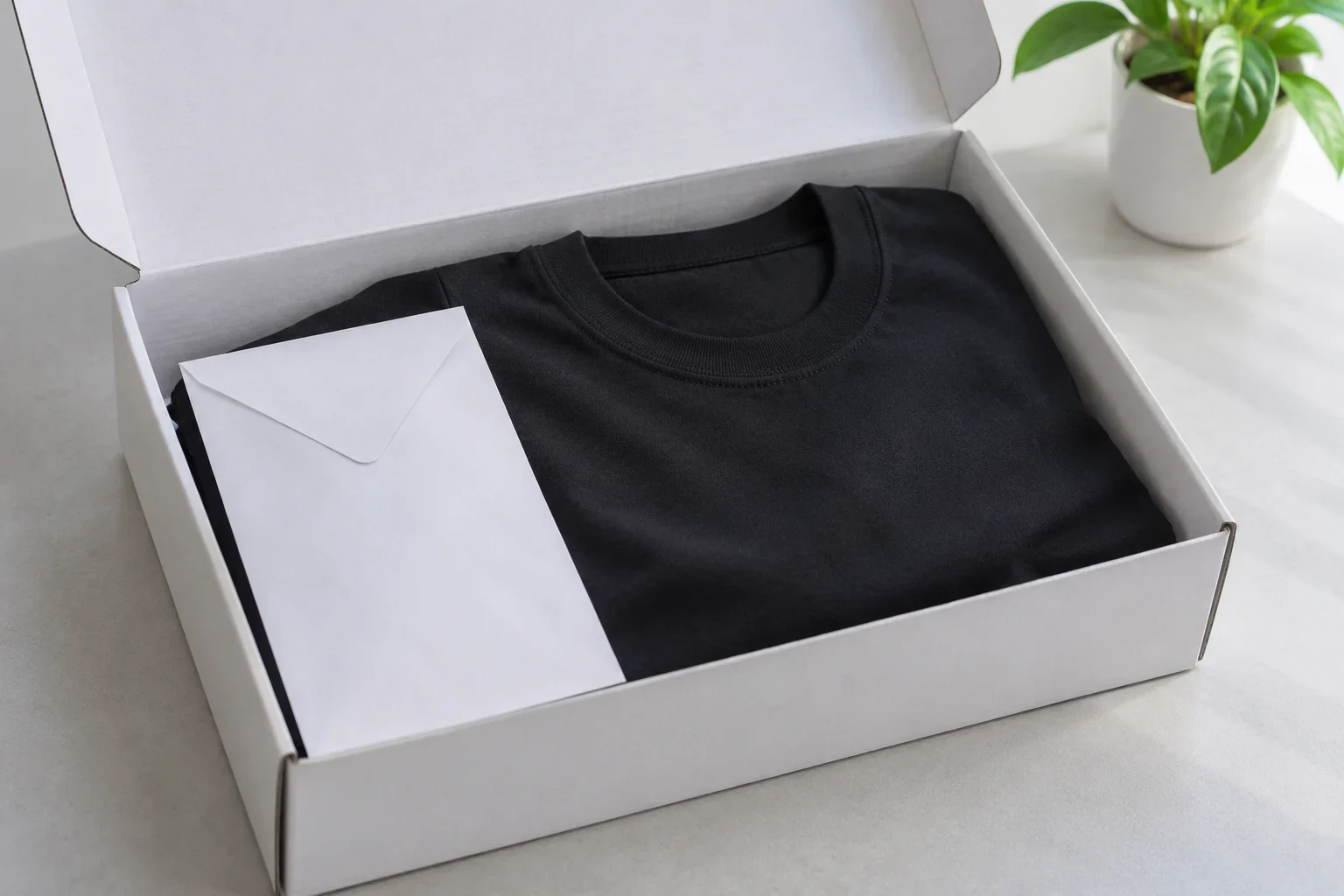
Identify packing approval, export-document and freight responsibilities, together with the communication and escalation contact.
Our factories, viewed through the work they do.
Ninghow Apparel operates a family-owned manufacturing business with its own factories. Confirm the location, process allocation and responsible team for your particular order.
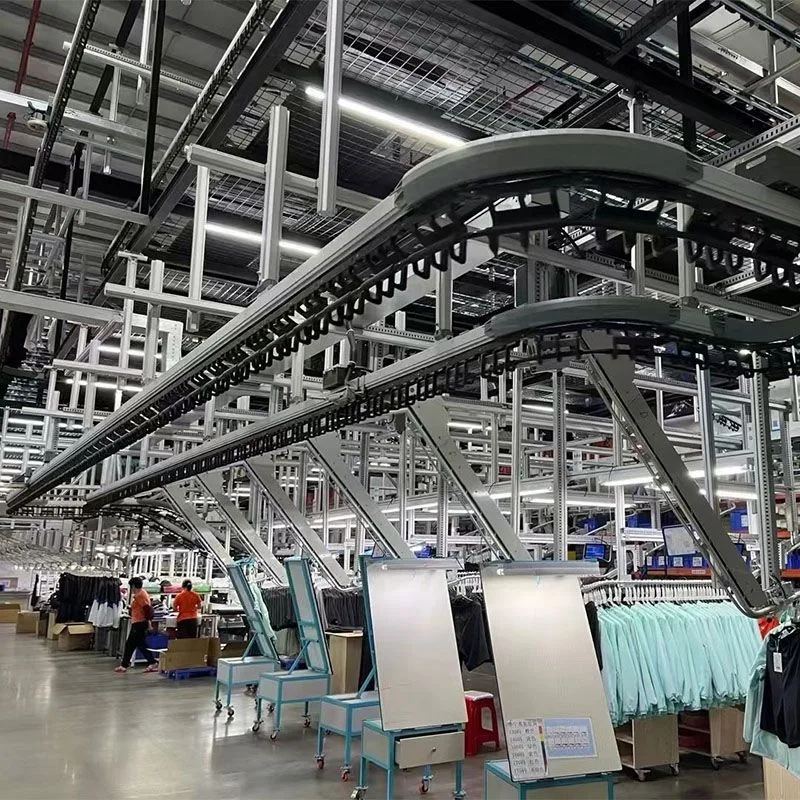
Garment production

Embroidery

Printing
FABRIC / COMPONENT / APPROVED RECORD
Follow the material reference across the handoffs.
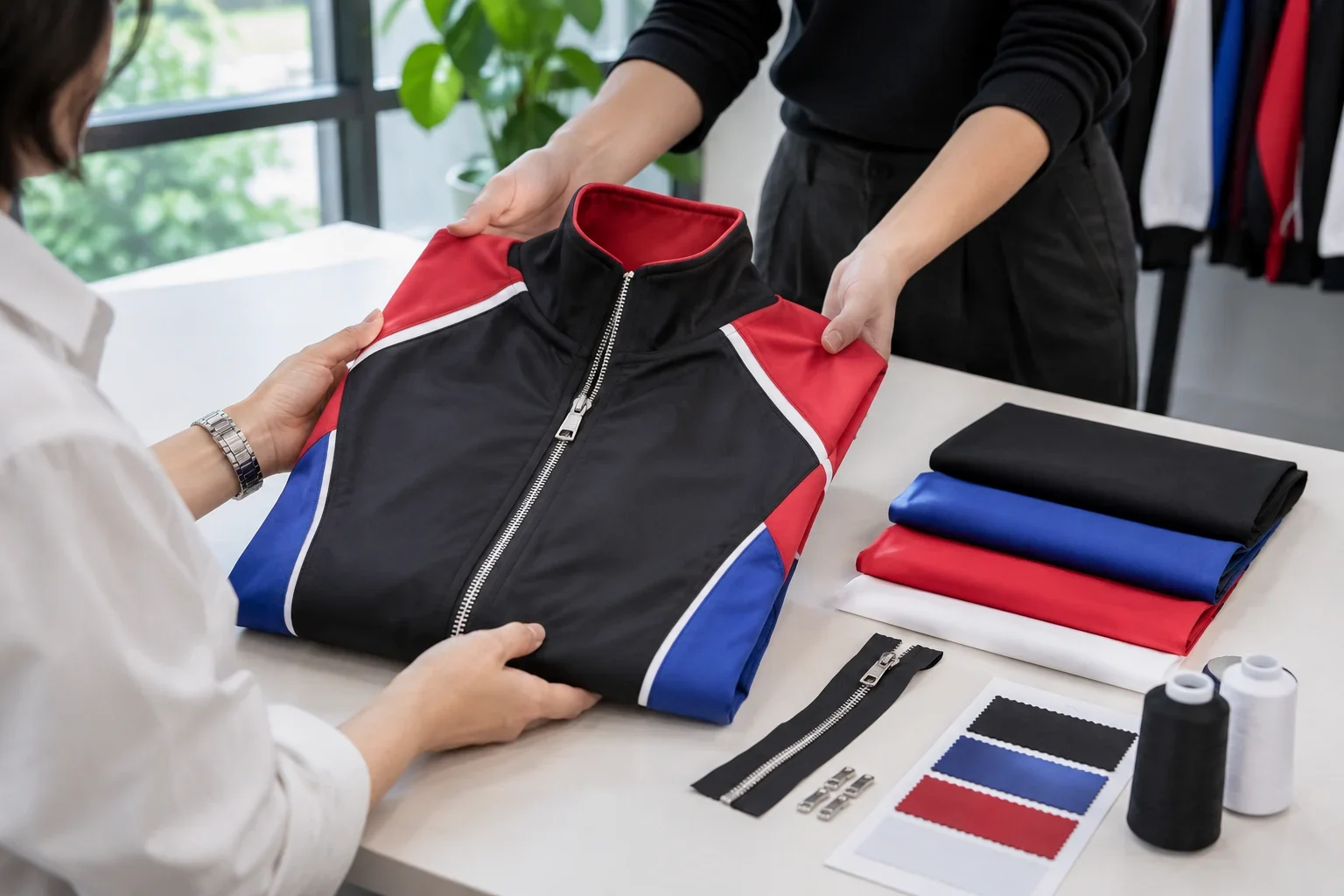
A production route also depends on where fabrics, trims and accessories come from. Ask how approved material information reaches the team using it.

IDENTITY
Identify the approved input
Record fabric composition and construction, colors, trims, accessories and relevant supplier information.
APPROVAL
Retain the accepted reference
Keep swatches, component references, artwork and requested test records with the garment specification.
CHANGES
Clarify who accepts a substitution
Agree how proposed material, component or process changes are reviewed before use, including any effect on fit, appearance and timing.
BRIEF → RESPONSIBILITIES → APPROVALS → ALLOCATION
Document the allocation before releasing the order.
Use this sequence to structure the discussion; confirm the actual workflow for your program.
01
Review the garment
Resolve construction, fabric, decoration, quantities and delivery requirements.
02
Identify the production roles
Confirm which factory team handles each stage and how the handoffs are controlled.
03
Agree the reference and checks
Approve the sample and specification; confirm inspection, packaging and export requirements.
04
Record the assignment
Retain the agreed allocation, responsibilities and schedule before bulk production begins.
ENTITY / FACILITY / QUALITY / EXPORT
Build a supplier review around current, relevant records.
Ask what information is available for the product and order. Verify the relevance, date and scope of records used for approval.
01
Contracting responsibility
Confirm the legal entity that contracts and invoices, current registration details and the escalation contact.
02
Facility relationship
Confirm the current address and operating role of the relevant self-owned factory, and distinguish the production site from a support office.
03
Quality ownership
Request the applicable inspection plan, measurement tolerances, acceptance criteria, material records and any required audit, test or certification evidence.
04
Export responsibility
Confirm packing specifications, destination documents, shipping arrangements and the parties responsible for coordination.
CURRENT ALLOCATION / REPEAT-ORDER CONTROL
Check this order and the next order separately.
A defined brief can be uploaded for review. For an agreed product and quantity, request an order-specific production estimate.
CURRENT ORDER
Confirm the available production window
Review product suitability, season, quantity, material assumptions and current allocation. Ask for the scope, date and basis of any capacity estimate.
REPEAT ORDER
Keep the approved baseline current
Retain sample, measurements, materials, artwork, packing and revision records. Confirm changes, material availability and scheduling before another release.
YOUR NEXT STEP
Make the facility discussion specific to your program.
Share the garment, construction, materials, decoration, quantities and sample status. Include the delivery window, destination and packing requirements, plus the supplier information your approval process needs.